When you need a part, you'll usually have three choices: genuine parts from the vehicle manufacturer, aftermarket parts made by other companies, and used parts from a recycler. Each has strengths and weaknesses, and the best choice depends on the part, your car, your budget and how long you plan to keep it. This guide compares the options and explains what the rules say about warranties.
3
Main options
Genuine, aftermarket, used
Standards
What matters for warranty
Parts should meet the manufacturer's standards
All-in cost
Compare
Not just the sticker price
The three options
Genuine parts come through the vehicle manufacturer's parts network, usually via dealers. They're designed for your car, so fit is usually straightforward, and they often come with the manufacturer's parts warranty. They can cost more and may need to be ordered in.
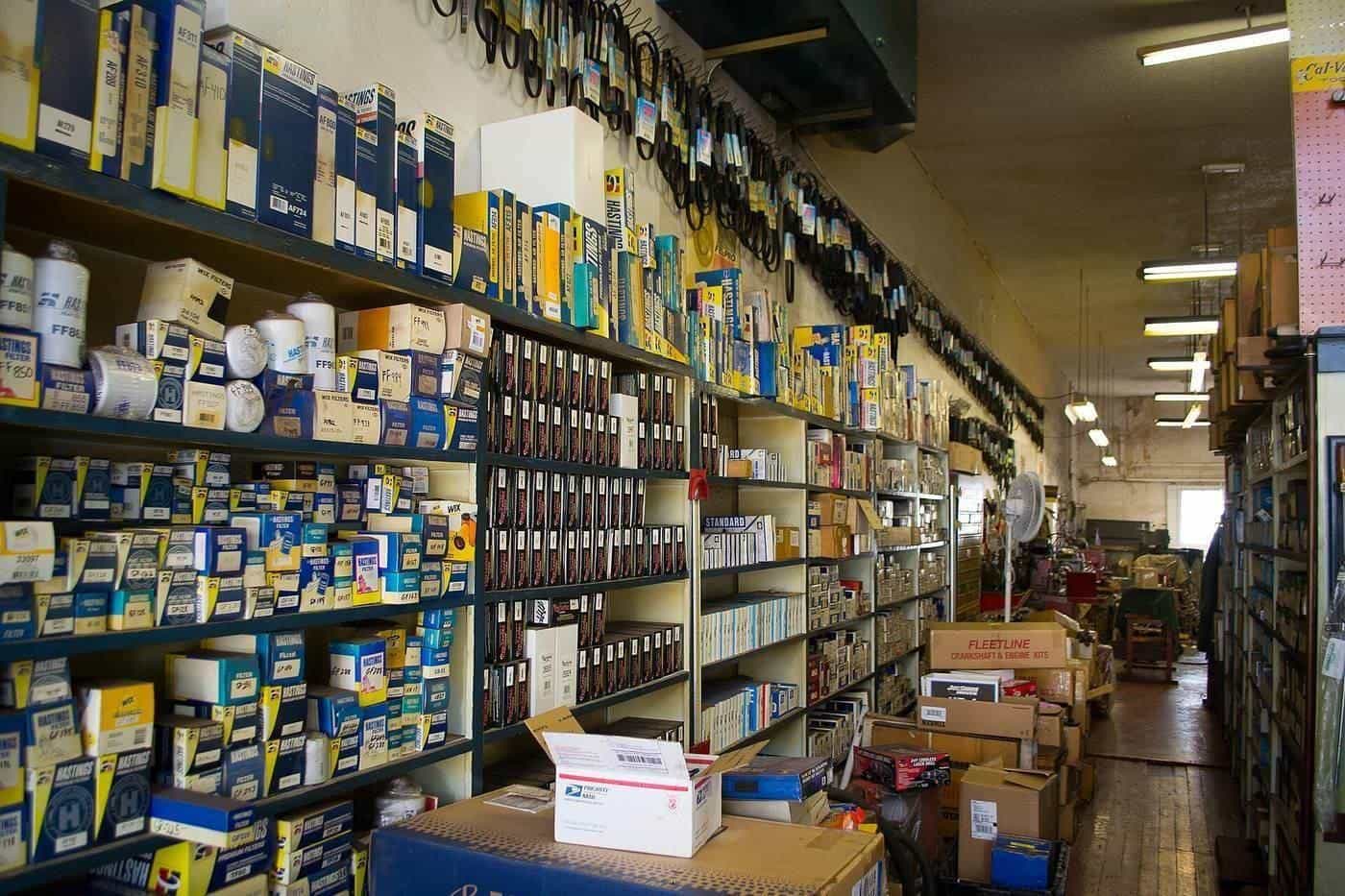
Aftermarket parts are made by other companies to fit your car. Some aftermarket makers also supply parts to vehicle manufacturers, while others make budget alternatives. Quality, fit and warranty vary widely. Aftermarket parts are often cheaper and more widely available, and for some components they offer upgrades over the original.
Used parts come from dismantled vehicles. They can be original parts at a much lower price, but their condition and history vary. See our guide to used parts and wreckers.
Comparing the options
| Factor | Genuine | Aftermarket | Used |
|---|---|---|---|
| Fit | Designed for your car | Varies by maker | Original, if matched correctly |
| Quality | Consistent | Wide range | Depends on condition |
| Price | Often highest | Often lower | Often lowest |
| Availability | May need ordering | Often in stock | Depends on supply |
| Warranty | Usually included | Varies | Varies, often shorter |
Warranties and independent servicing
A common worry is that using non-genuine parts or an independent mechanic will void a new car's warranty. Consumer Protection WA says an independent licensed mechanic instead of a dealership can service your car without voiding the manufacturer's warranty if the repairs and parts used meet the manufacturer's standards. Check your warranty document for the specific terms, and keep records of the parts used.
Consumer Protection WA also notes that manufacturer warranties vary, with some extending up to five years or 100,000 kilometres, and that you may still have rights under the Australian Consumer Law even if a manufacturer's warranty has expired.
When genuine parts make sense
- Complex electronics and sensors, where small differences can cause faults.
- Newer cars under warranty, if you want the simplest path for any claim, though suitable non-genuine parts can be used.
- Parts where fit is critical, such as some body panels and trim.
- When the aftermarket choice is limited or unknown quality.
When aftermarket parts make sense
- Common service items, such as filters, wiper blades, bulbs and many brake parts, from reputable makers.
- Older cars, where genuine parts are expensive or discontinued.
- Upgrades, such as performance brake pads or improved lighting, where they're legal and suitable.
- When a reputable brand offers a strong warranty.
Judging aftermarket quality
Not all aftermarket parts are equal. To improve your odds:
- buy from established sellers with clear contact details and returns policies;
- choose recognised manufacturers rather than unbranded parts for important components;
- check for relevant standards or certifications where they apply;
- compare warranty lengths, which can hint at the maker's confidence;
- ask your mechanic which brands they trust and why;
- be wary of prices that seem far too low.
Counterfeit parts
Counterfeit parts imitate genuine or well-known brands. They can look convincing but may be poorly made, which is a particular concern for brakes, filters and other safety-related parts. Buy from reputable sellers, be suspicious of heavily discounted "genuine" parts and check packaging carefully. If a deal looks too good to be true, it probably is.
Your rights whichever you choose
Whether a part is genuine, aftermarket or used, when you buy it from a business, consumer guarantees apply. Consumer Protection WA explains that manufacturers and importers also guarantee that repairs and spare parts are available for a reasonable time. Our guide to your rights when a part fails explains what to do if something goes wrong.
Comparing real costs
The sticker price isn't the whole story. Freight, fitting, refundable deposits and warranty length all change the real value. Our quote comparer lets you enter a genuine, aftermarket and used option side by side and see the all-in cost and cost per month of warranty.
Remanufactured and reconditioned parts
Between new and used sits a fourth option: remanufactured or reconditioned parts. These are used parts, such as alternators, starter motors, steering racks or gearboxes, that have been rebuilt, with worn components replaced and the unit tested. They often cost less than new and may come with a decent warranty. Quality depends on the rebuilder, so ask what was replaced, how the part was tested and what warranty applies. Many come with a core charge, refunded when you return your old unit.
Questions to ask your mechanic
If your mechanic is supplying the part, ask:
- Is this a genuine, aftermarket, remanufactured or used part?
- Which brand is it, and why do you recommend it?
- What warranty applies to the part and to the labour?
- Will the parts used meet the manufacturer's standards for my warranty?
- Can I see the old part when it's removed?
Good mechanics are happy to explain their choices. Write the answers down or ask for them on the quote.
Making the decision
There's no single right answer. For a near-new car under warranty with a complex electronic fault, genuine may be the easiest path. For a ten-year-old commuter needing brake pads, a reputable aftermarket brand is often sensible. For a dented door on an older car, a used panel in the right colour can be ideal. Think about the part's role, how long you'll keep the car and the all-in cost, then choose.
Insurance repairs
If your car is being repaired through insurance, your policy may say whether genuine or non-genuine parts will be used. Read the product disclosure statement and ask your insurer before the repair starts. If you want genuine parts, ask whether that's covered or whether it's an option at extra cost. Keep records of the parts used, especially if the car is under a manufacturer's warranty.
Parts for older cars
For older cars, genuine parts may be discontinued or very expensive. Aftermarket and used parts often keep these cars on the road. Specialist suppliers and owners' clubs can be excellent sources for hard-to-find parts and advice on which aftermarket brands perform well. For classic and collectable cars, originality can affect value, so think about whether genuine or period-correct parts matter to you.
Keep the evidence
Whichever option you choose, keep the invoice showing the brand and part number. If you later need to make a warranty claim on the car or the part, or show a buyer what's been fitted, those records make it straightforward.
Key points
- Genuine parts offer consistent fit; aftermarket quality varies; used parts are cheapest but variable.
- An independent licensed mechanic can service your car without voiding the warranty if parts meet the manufacturer's standards.
- Choose genuine for complex electronics and critical fit; reputable aftermarket for many service items.
- Avoid counterfeit parts by buying from reputable sellers.
- Compare all-in costs and warranties, not just prices.
Frequently asked questions
What is a genuine part?
A part supplied through the vehicle manufacturer’s own parts channel, usually sold through dealers. Some people call these OEM or original parts.
What is an aftermarket part?
A part made by another company to fit your vehicle. Quality ranges from excellent to poor, depending on the maker.
Will aftermarket parts void my new car warranty?
Consumer Protection WA says an independent licensed mechanic can service your car without voiding the manufacturer’s warranty if the repairs and parts used meet the manufacturer’s standards.
Are genuine parts always better?
Not always. They’re designed for your car, but good-quality aftermarket parts can perform as well for many jobs, often at a lower price.
How do I judge aftermarket quality?
Buy from reputable sellers, look for well-known manufacturers and relevant standards, compare warranties and ask your mechanic what they trust.
Is genuine the same as OEM?
Not always. 'Genuine' usually means a part sold in the carmaker's own packaging through its dealers. 'OEM' (original equipment manufacturer) often means the same or a similar part made by the company that supplies the carmaker, sold under that supplier's brand. Quality can be identical, but check the part number and warranty.
Is aftermarket just as good as OEM?
Some aftermarket parts match or exceed original specifications; others are made to a lower price and standard. Look for recognised brands, relevant Australian or international standards for safety-critical parts, clear warranties and an exact fit for your vehicle.
Sources and further reading
Facts on this page were checked against these primary and official sources. Conditions change — confirm before you travel or buy.
- Car servicing and repairs — Consumer Protection WA
- Car warranties — Consumer Protection WA
- Consumer guarantees — Consumer Protection WA