Doing your own car repairs can save money, teach you about your car and give you the satisfaction of a job done yourself. But modern cars are complex, some jobs are genuinely dangerous, and a mistake can cost more than paying a mechanic in the first place. This guide helps you decide which jobs to tackle and which to hand over.
This is general information, not mechanical advice. Always follow the procedures in a workshop manual for your vehicle, and if in doubt, ask a qualified mechanic.
Skills, tools, time
The three questions
Be honest about all three
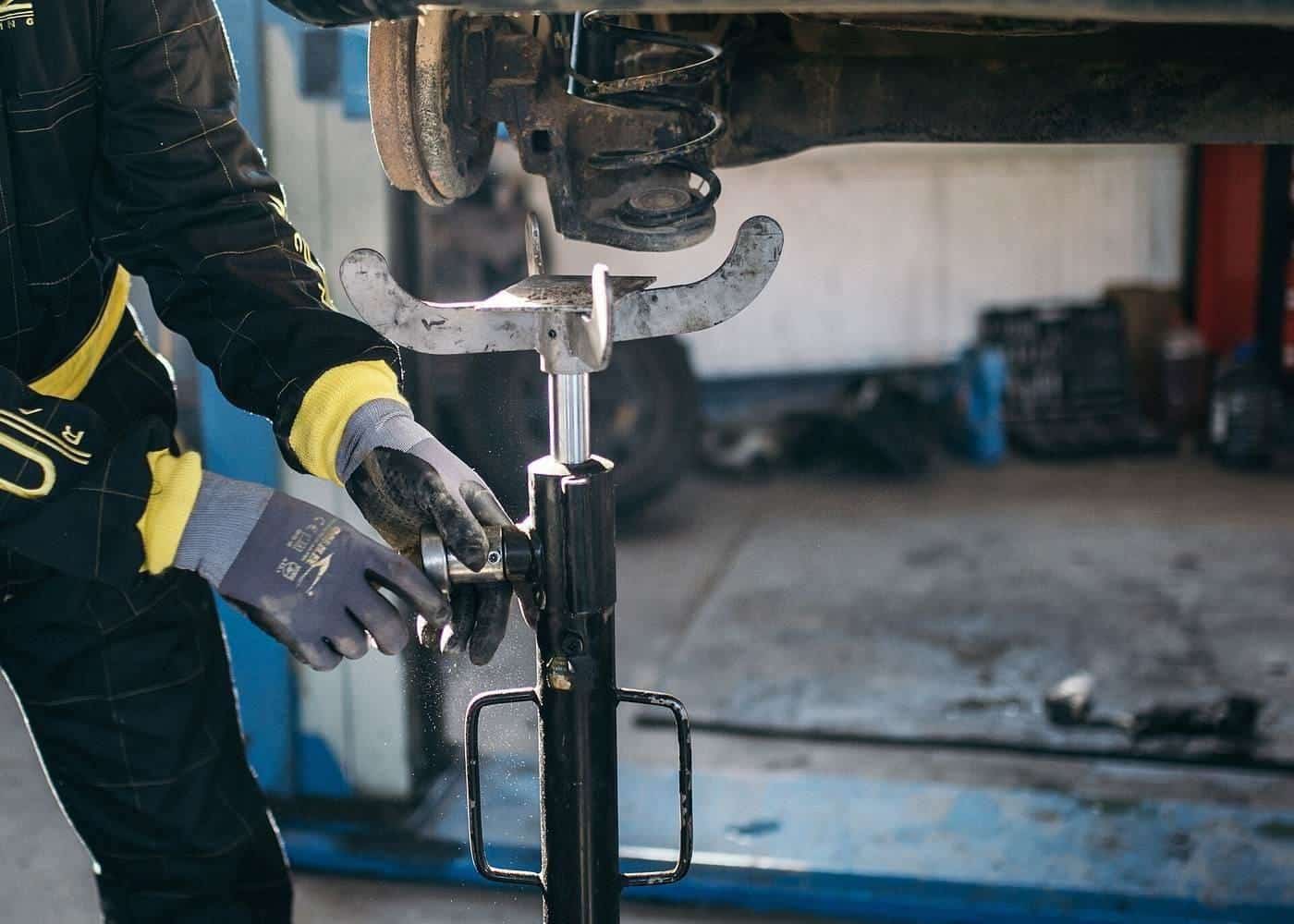
Stands
Never just a jack
When working under a car
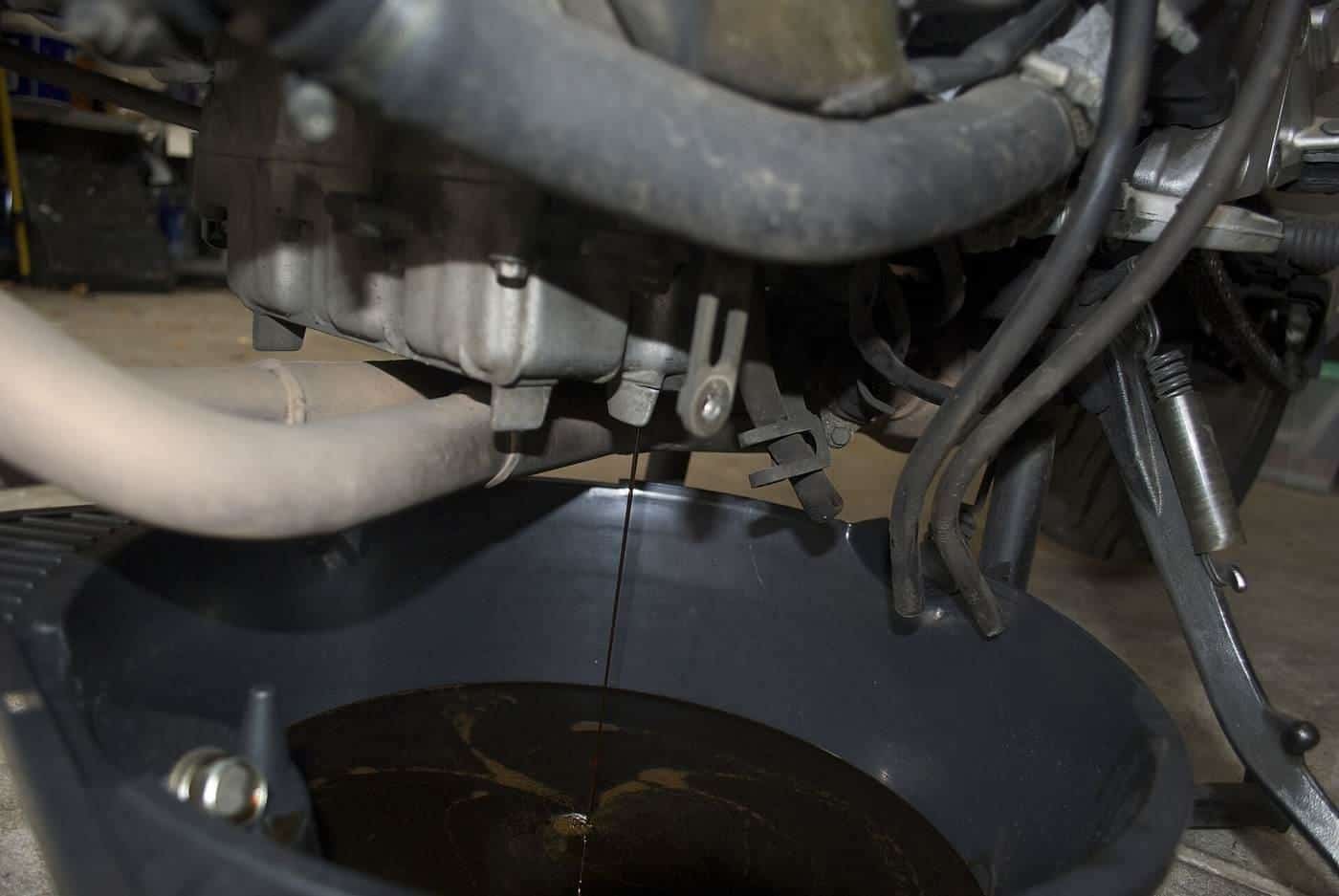
Recycle
Oil and batteries
Hazardous waste
Three questions to ask
Before starting a job, ask yourself:
- Do I have the skills? Have you done similar work, and do you understand how the system works?
- Do I have the tools? Many jobs need specific tools, such as torque wrenches, diagnostic scanners or special sockets.
- Do I have the time and space? A job that takes a mechanic an hour might take you a weekend, and your car may be off the road in the meantime.
If the answer to any of these is no, consider whether a mechanic is the better option.
Jobs many owners do themselves
Many owners are comfortable with:
- checking oil, coolant, brake fluid and washer levels;
- checking and adjusting tyre pressures against the placard;
- replacing wiper blades;
- replacing some bulbs, though some cars make this difficult;
- replacing air filters and cabin filters;
- cleaning battery terminals.
With more experience and tools, some owners also change oil and filters, replace spark plugs, fit brake pads or swap batteries. Follow the manual's procedures and torque settings.
Jobs best left to professionals
Some work carries higher risk or needs specialist equipment:
- Airbags and seatbelt pretensioners, which contain pyrotechnic devices.
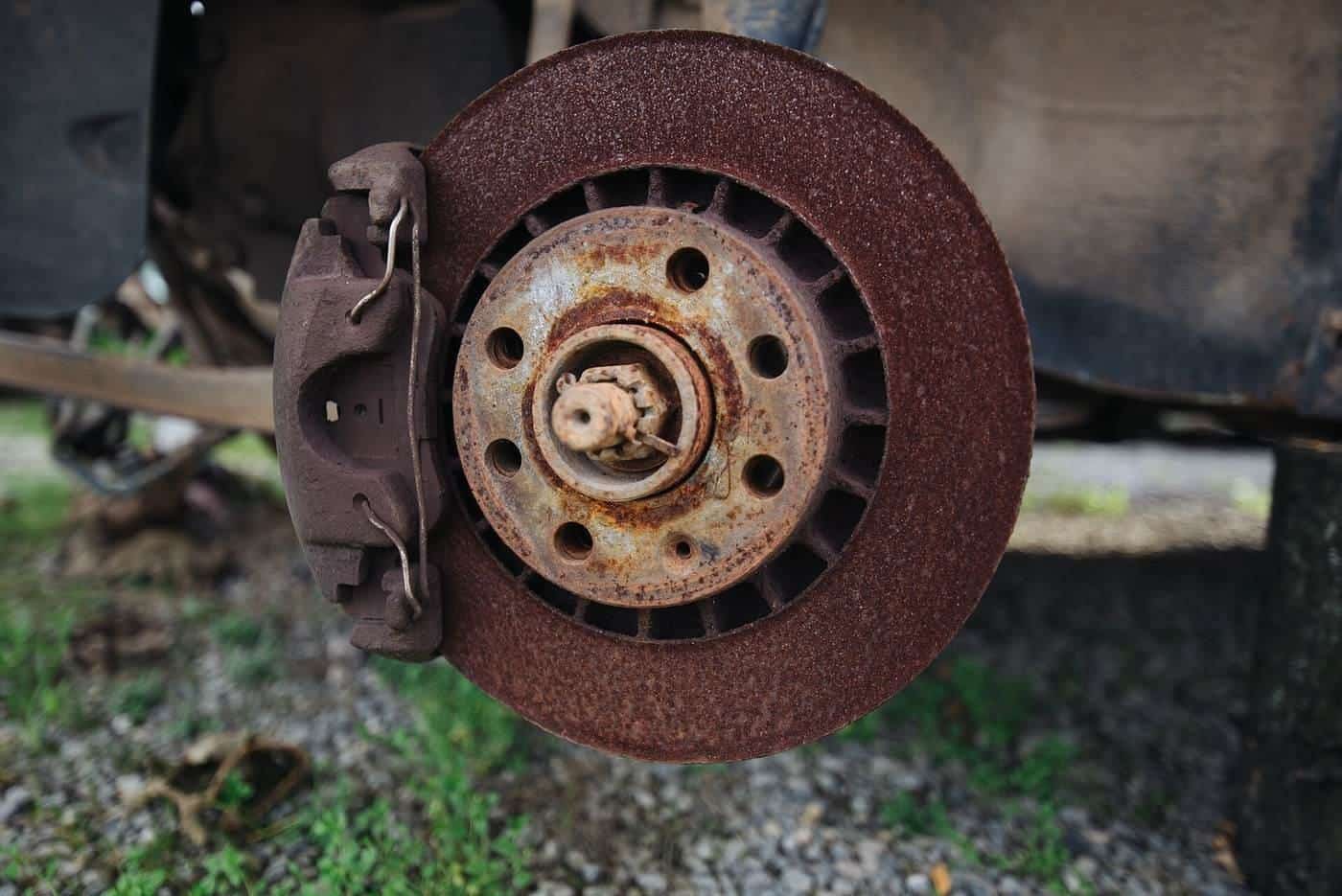
- Brake hydraulics, including lines, calipers and master cylinders, and bleeding brakes.
- Steering and major suspension work, including springs under tension.
- Fuel systems, because of fire risk.
- Hybrid and electric vehicle high-voltage systems, which can be lethal.
- Air conditioning, which involves refrigerants that need licensed handling.
- Complex electronics and software, which often need dealer-level tools.
Our guide to brakes and safety-critical parts explains why these parts deserve extra care.
Safety basics for DIY
- Work on a flat, solid surface.
- Never work under a car supported only by a jack; use proper vehicle stands or ramps.
- Wear gloves and eye protection.
- Let the engine and exhaust cool before working on them.
- Disconnect the battery when working on electrical systems, following the manual's advice.
- Keep children and pets away.
- Have a fire extinguisher handy.
Warranties and DIY
If your car is under a manufacturer's warranty, check the terms before doing your own servicing. Consumer Protection WA says an independent licensed mechanic can service your car without voiding the manufacturer's warranty if the repairs and parts meet the manufacturer's standards. If you do your own work, keep detailed records and receipts for parts.
The true cost of DIY
DIY isn't always cheaper once everything is counted:
- tools you need to buy;
- parts you may buy twice if the first is wrong;
- your time;
- the cost of fixing mistakes;
- disposal of old oil, filters and parts.
Use our quote comparer to compare a mechanic's quote with the cost of parts and any tools you'd need.
Disposing of waste properly
DIY work creates waste that needs proper disposal. Recycling Near You says used lead-acid batteries such as car batteries contain lead, lead compounds and sulfuric acid, are classified as hazardous waste and shouldn't be disposed of with regular garbage. It also says motor oil shouldn't go in your recycling or garbage bin. Our guide to recycling batteries and oil explains where to take them.
Finding a good mechanic
If you decide to use a mechanic, Consumer Protection WA suggests getting more than one quote from reputable mechanics. Quotes should outline the work to be done and the cost. Ask whether there's a charge for inspecting the car to give a quote. See quotes, servicing and warranties.
A middle path
You don't have to choose all or nothing. Some owners buy parts themselves and ask a mechanic to fit them, though some mechanics prefer to supply their own parts, and warranty arrangements may differ. Others do simple jobs themselves and leave the rest to a mechanic. Ask your mechanic what they're comfortable with.
Building your skills gradually
If you want to do more of your own work, build up gradually. Start with simple checks and replacements, then move to slightly more involved jobs as your confidence grows. Many people learn alongside a friend who's experienced, or take a basic car maintenance course. Workshop manuals for your specific vehicle are invaluable, because they give the correct procedures, specifications and torque settings.
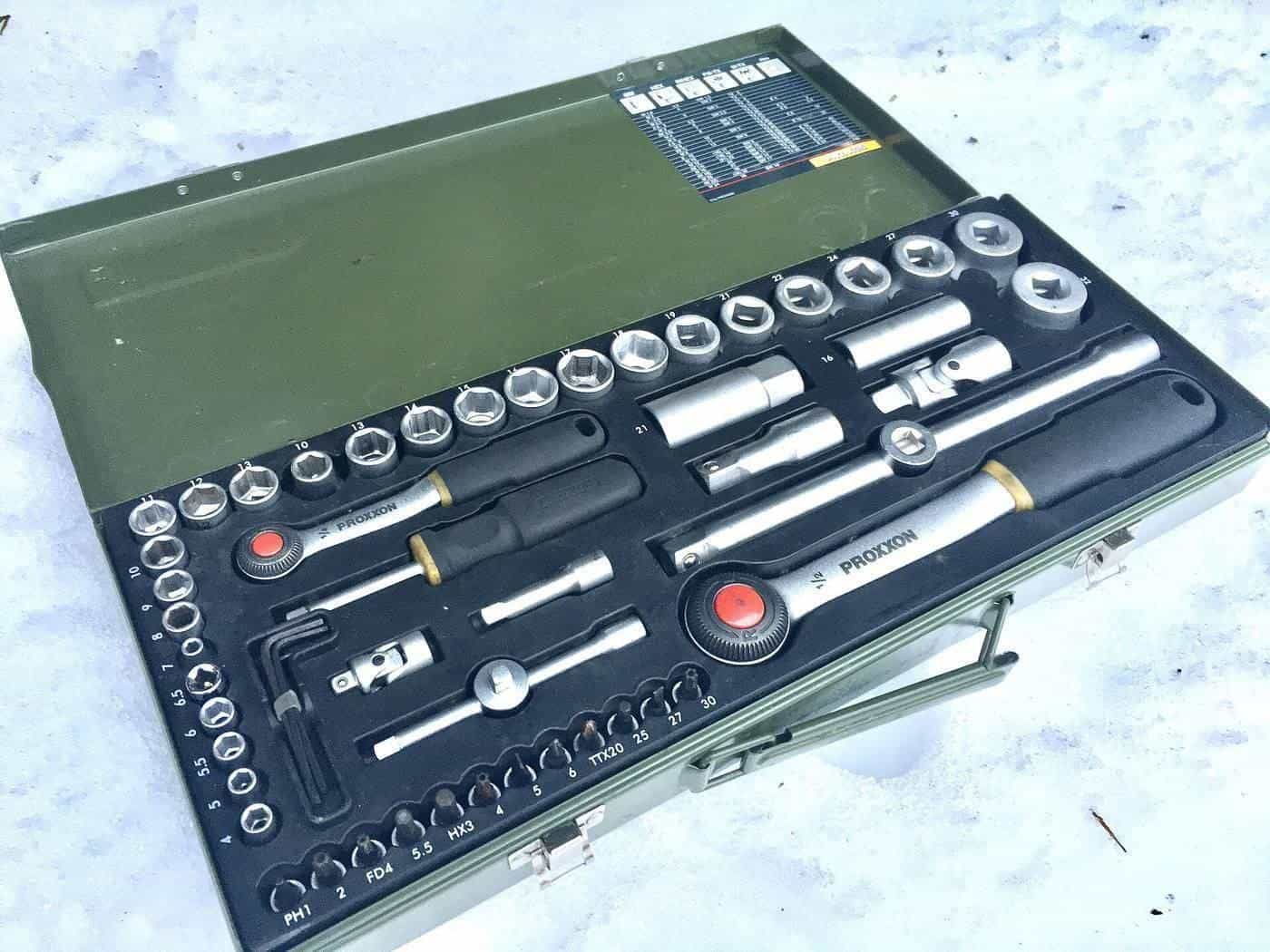
Essential tools for basic jobs
A basic kit for simple maintenance might include:
- a socket set and ratchet;
- combination spanners;
- screwdrivers;
- pliers;
- a tyre pressure gauge and tread depth gauge;
- a torch or work light;
- gloves and eye protection;
- a drain pan and funnel for fluids;
- proper vehicle stands if you'll work under the car.
A torque wrench is worth adding once you move on to jobs where fasteners must be tightened to a specific setting, such as wheels and brakes.
Knowing when to stop
Part of doing your own repairs well is knowing when to stop. If a bolt won't budge, a part doesn't fit, a job turns out more complex than expected or you're not sure what you're looking at, pause. Forcing things often turns a simple job into an expensive one. It's perfectly sensible to put the car back together and book it in with a mechanic.
Diagnostic tools
Many cars have an on-board diagnostics port that a scan tool can read. Basic scan tools can show fault codes, which can point you in the right direction. But a fault code identifies a symptom, not always the faulty part. Replacing parts based on a code alone can waste money. A mechanic with professional diagnostic equipment can often pinpoint the cause more reliably.
Insurance and roadworthiness
If you modify or repair safety-critical parts yourself, think about roadworthiness and insurance. Poorly done work could affect a claim or make the car unroadworthy. Keep records and receipts of the work you do and the parts used.
Learning resources
Good sources of help for home mechanics include the workshop manual for your vehicle, owners' clubs and forums for your make and model, community workshops and basic car maintenance courses. Online videos can be helpful, but check that they apply to your exact vehicle and follow safe practices. When advice conflicts, the manufacturer's procedures and specifications take priority.
Key points
- Ask whether you have the skills, tools and time before starting a job.
- Simple checks and replacements suit many owners; safety-critical and high-voltage work suits professionals.
- Never work under a car supported only by a jack.
- Check warranty terms and keep records of DIY work.
- Recycle old oil and batteries properly.
Frequently asked questions
Which car jobs are suitable for DIY?
Many owners handle simple jobs such as checking fluids and tyre pressures, replacing wiper blades, some bulbs and air filters. More complex jobs depend on your skills, tools and the car.
Which jobs should I leave to a mechanic?
Work involving airbags, brake hydraulics, steering, major suspension, fuel systems, high-voltage hybrid or electric systems, or anything you’re not confident about.
Will doing my own servicing affect my warranty?
Check your warranty terms. Consumer Protection WA says a licensed independent mechanic can service your car without voiding the warranty if the work and parts meet the manufacturer’s standards.
What safety gear do I need?
At least gloves and eye protection, and proper stands if you work under a car. Never rely on a jack alone.
What do I do with old oil and batteries?
Recycle them. Recycling Near You says used car batteries are hazardous waste and shouldn’t go in household rubbish, and motor oil shouldn’t go in your recycling or garbage bin.
Sources and further reading
Facts on this page were checked against these primary and official sources. Conditions change — confirm before you travel or buy.
- Car servicing and repairs — Consumer Protection WA
- Recycling lead-acid batteries — Recycling Near You (Planet Ark)
- Recycling motor oil — Recycling Near You (Planet Ark)