
Once you've found the right part, it needs fitting. Some jobs are simple enough for a confident home mechanic; others need a professional's skills and tools. Either way, understanding quotes, warranties and how to dispose of old parts responsibly saves money and trouble. This section covers the practical side of repairs.
The guides in this section
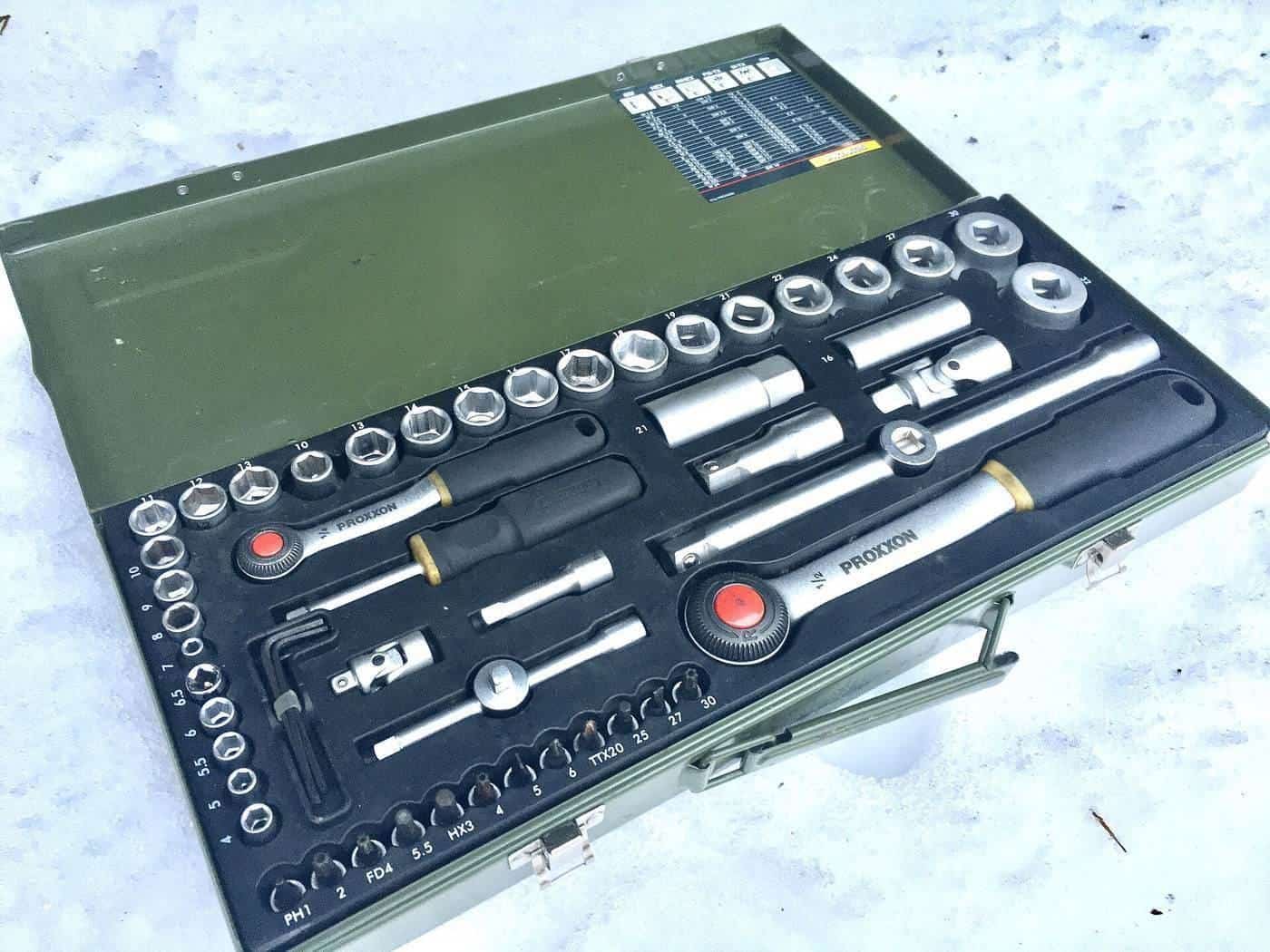
- DIY or mechanic?: which jobs suit DIY, which to leave to professionals, safety basics and the true cost of doing it yourself.
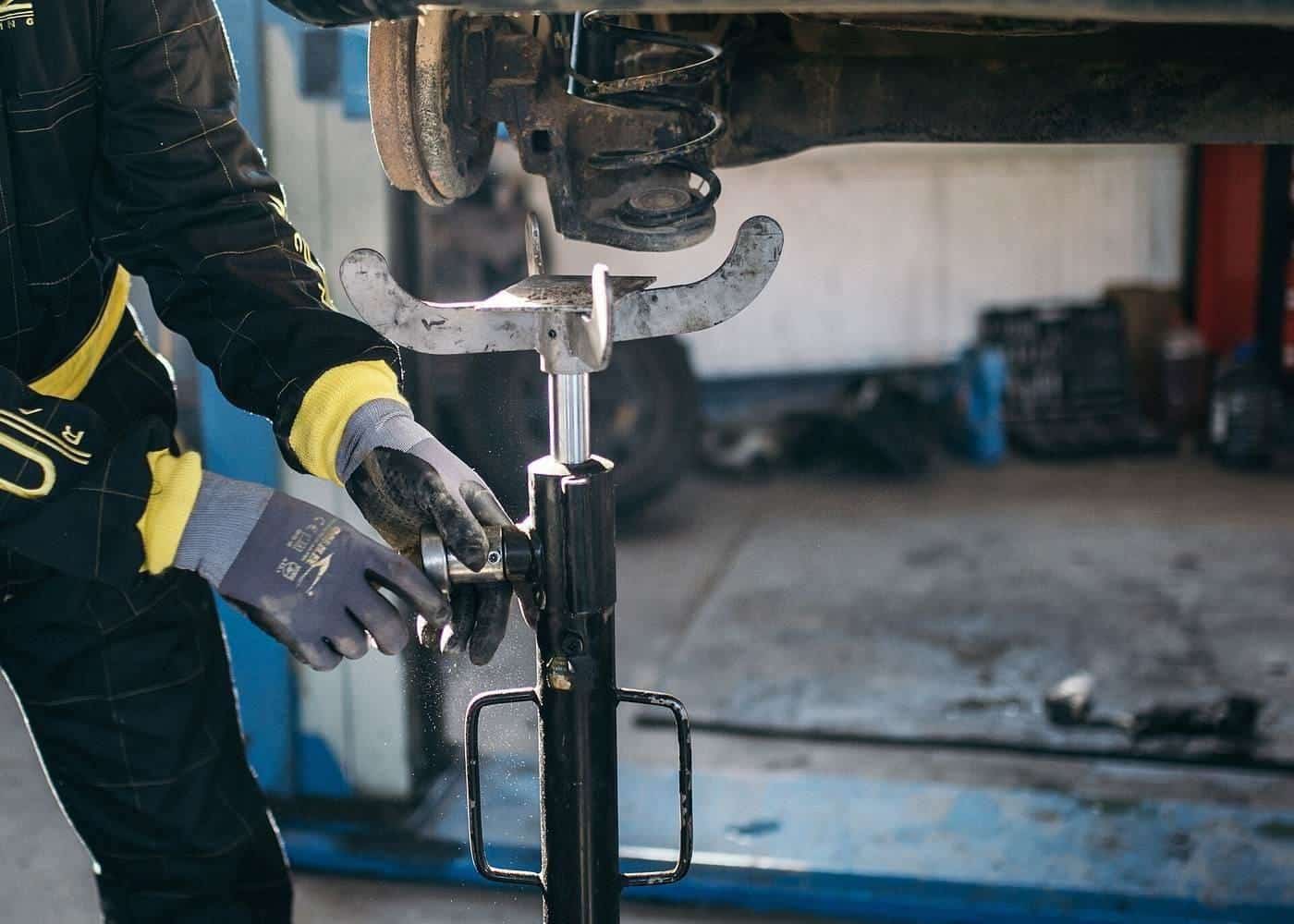
- Quotes, servicing and warranties: getting and comparing quotes, authorising work, servicing during your warranty and keeping records.
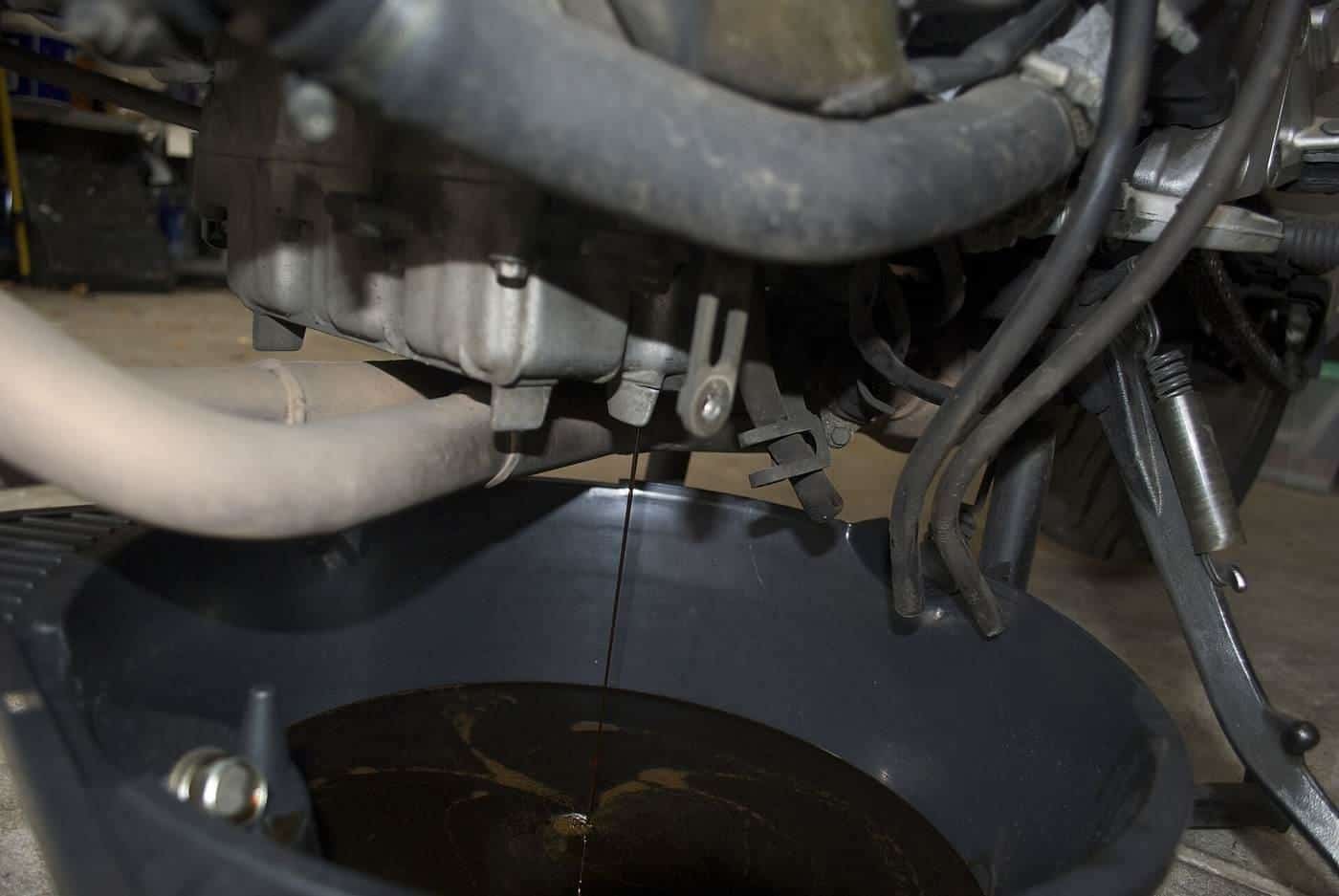
- Recycling batteries and oil: why batteries and oil are hazardous, where to take them and what to do with tyres and old parts.
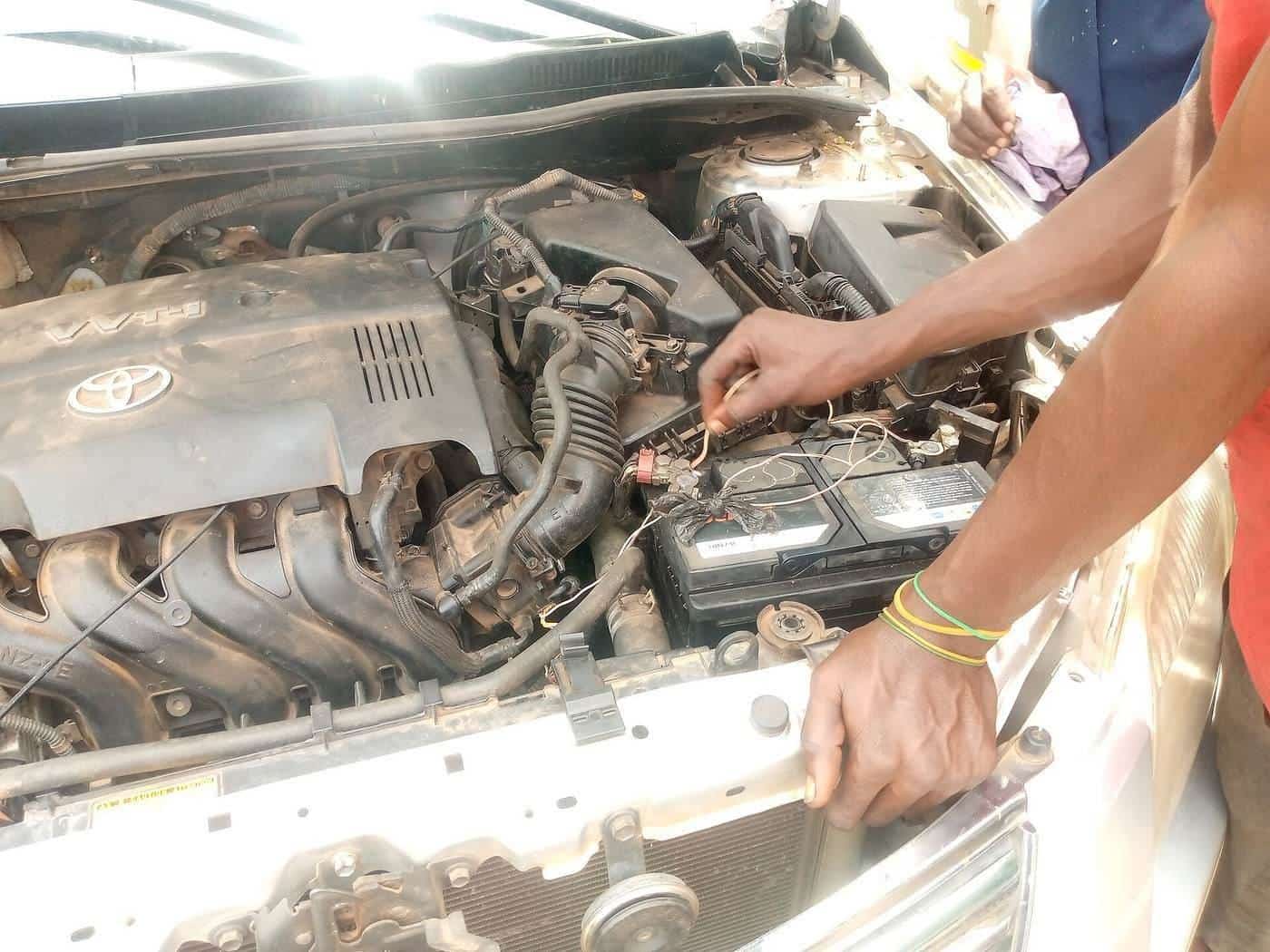
- Batteries and electrical parts: diagnosing before buying, choosing batteries, alternators, starters, lights and sensors.
DIY or professional?
Ask yourself three questions: do I have the skills, the tools and the time? Many owners happily check fluids, tyre pressures and wiper blades, and replace filters and some bulbs. Work on airbags, brake hydraulics, steering, fuel systems and high-voltage hybrid or electric systems is best left to qualified people. If a job turns out harder than expected, it's sensible to stop and book it in.
Quotes and authorising work
Consumer Protection WA says it's best to get more than one quote from reputable mechanics before going ahead with repairs, and that quotes should outline the work to be done and the cost. It also notes that you need to authorise repair work based on the original quote and any agreed additional work. Ask to be contacted before anything extra is done.
Servicing and warranties
You don't have to use a dealer to keep your new car warranty. Consumer Protection WA says an independent licensed mechanic can service your car without voiding the manufacturer's warranty if the repairs and parts used meet the manufacturer's standards. Keep your service book up to date and keep invoices showing the parts used.
Electrical parts
Electrical problems can be tricky. A car that won't start may have a tired battery, a charging fault, a parasitic drain or a starter problem. Testing before buying saves money. Match batteries to your car's size, terminals, type and ratings, especially if it has stop-start, and match alternators, starters and modules by part number and VIN.
Dispose of waste responsibly
Recycling Near You says used lead-acid batteries contain lead, lead compounds and sulfuric acid, are classified as hazardous waste and shouldn't go in regular garbage. Almost all scrap metal merchants accept them, as do most landfills, transfer stations and automotive workshops. Motor oil shouldn't go in your recycling or garbage bin; take it to a local drop-off point.
Compare the numbers
Whether you're comparing two mechanics, or a mechanic's quote against parts plus your own time, our quote comparer helps you see the all-in cost and what you pay per month of warranty.
A repair checklist
- Diagnose the problem, or pay a mechanic to diagnose it.
- Decide whether to do the job yourself.
- Get more than one quote if using a mechanic.
- Confirm which parts will be used and their warranty.
- Authorise the work in writing.
- Check the invoice against the quote.
- Keep records and dispose of old parts and fluids properly.
Common repair mistakes
- Replacing parts on guesswork. Diagnose first, especially electrical faults.
- Skipping the quote. Get it in writing and compare.
- Not authorising extras. Ask to be contacted before additional work.
- Losing records. Keep invoices and service book entries.
- Dumping waste. Batteries and oil are hazardous and must be recycled properly.
Tools and safety
If you do your own work, invest in a few quality tools rather than many cheap ones, and never skip safety equipment. Proper vehicle stands, gloves and eye protection are essential. A workshop manual for your vehicle gives the correct procedures and torque settings, and is worth having for anything beyond simple checks.
Working with your mechanic
A good relationship with a mechanic you trust is valuable. Explain the symptoms clearly, including when they happen and any noises or warning lights. Ask questions about the diagnosis and the options, such as genuine, aftermarket or remanufactured parts. If you'd like to supply your own parts, ask first, because some workshops prefer to supply parts so they can warrant the whole job. Clear communication up front avoids surprises when you collect the car.
Planning ahead
Regular maintenance usually costs less than breakdowns. Follow your car's service schedule, check tyres, fluids and lights regularly, and deal with small problems before they become big ones. Setting aside a little money for repairs each month makes unexpected bills easier to handle, and planning ahead gives you time to compare quotes and source the right parts rather than taking whatever's available in a hurry.
Getting a second opinion
If a quote seems high or a diagnosis doesn't make sense, it's reasonable to get a second opinion from another reputable workshop. Explain that you'd like an independent assessment, and compare what each recommends before deciding.
Where to go next
Still looking for the part? See the finding parts section. For recalls, tyres, brakes and your consumer rights, visit the safety and rights section.
About these guides
Our repair guides are general information, not mechanical advice. Always follow the workshop manual for your vehicle, use proper safety equipment and consult a qualified mechanic for safety-critical work.
Guides in this section
Repairs
DIY or mechanic?
Which car jobs suit DIY and which need a mechanic: skills, tools, safety, warranties, disposal of fluids and parts, and the true cost of DIY.
Read · 5 min
Repairs
Quotes, servicing and warranties
Getting car repair quotes, authorising work, servicing with an independent mechanic, new and used car warranties and keeping records.
Read · 5 min
Repairs
Recycling batteries and oil
How to dispose of car batteries, used motor oil, tyres and old parts responsibly: why they’re hazardous and where to take them.
Read · 5 min
Repairs
Batteries and electrical parts
How to choose a car battery, alternator, starter motor or other electrical part, check compatibility, handle batteries safely and recycle.
Read · 5 min
Frequently asked questions
Should I fix my car myself?
Simple checks and replacements suit many owners. Safety-critical, high-voltage and complex electronic work suits qualified mechanics.
Can I use an independent mechanic during my warranty?
Consumer Protection WA says yes, if the repairs and parts used meet the manufacturer’s standards.
How many quotes should I get?
Consumer Protection WA says it’s best to get more than one quote from reputable mechanics.
What do I do with an old car battery?
Recycle it. Recycling Near You says lead-acid batteries are hazardous waste and shouldn’t go in household rubbish.
Sources and further reading
Facts on this page were checked against these primary and official sources. Conditions change — confirm before you travel or buy.
- Car servicing and repairs — Consumer Protection WA
- Car warranties — Consumer Protection WA
- Recycling lead-acid batteries — Recycling Near You (Planet Ark)