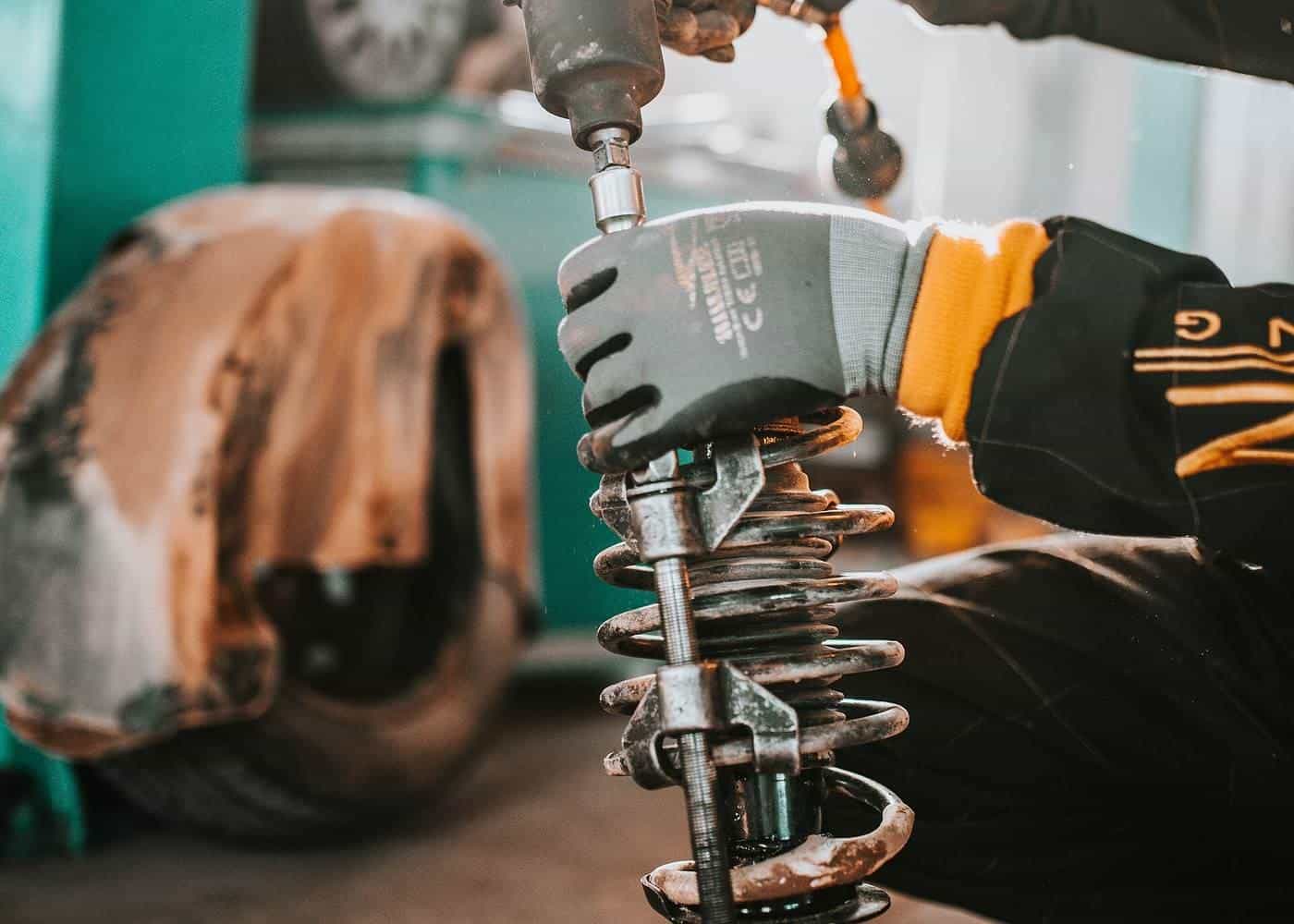
Finding a car part used to mean ringing around workshops and wreckers. Today you can search thousands of listings in minutes, but the choice brings its own problems: parts that almost fit, quality that varies wildly and sellers who aren't who they claim to be. This section helps you find the right part, choose between genuine, aftermarket and used, and buy it safely.
The guides in this section
- Identifying the right part: using your VIN, build details and part numbers to make sure a part fits before you buy.
- Used parts and wreckers: what suits second-hand, checking condition, warranties and avoiding wrecker scams.
- Genuine vs aftermarket: how the options compare on fit, quality, price and warranty, and what the rules say about your new car warranty.
- Buying parts online: checking sellers, paying safely, freight, returns and what to do if you're scammed.
Start with the right information
Most parts problems start with incomplete information. The same model name can cover different engines, brakes, lights and electronics, and manufacturers change parts during a model's life. Before you shop, gather your make, model, variant, build date, VIN, engine and transmission details, and the part number from the old part if you can find it. Give all of this to the seller and ask them to confirm fitment in writing.
Weigh up your options
You'll usually have three choices:
- Genuine parts from the vehicle manufacturer, with consistent fit and often a parts warranty, but usually at a higher price.
- Aftermarket parts from other makers, ranging from excellent to poor, often cheaper and widely available.
- Used parts from recyclers, often the cheapest, especially for panels, lights and mirrors, but variable in condition.
Remanufactured parts, rebuilt and tested units such as alternators and starter motors, are a fourth option for some components.
A common worry is warranties. Consumer Protection WA says an independent licensed mechanic can service your car without voiding the manufacturer's warranty if the repairs and parts used meet the manufacturer's standards.
Compare the real cost
The cheapest part isn't always the best value. Freight, fitting, refundable core deposits and warranty length all affect what you really pay. Our quote comparer lets you enter up to three options and see the all-in cost and cost per month of warranty for each.
Watch out for scams
Online parts scams are a real problem. Consumer Protection WA has warned about scammers impersonating genuine auto wreckers and parts businesses on Facebook Marketplace, offering parts, tyres and engines at too-good-to-be-true prices and asking for payment by bank transfer. Scamwatch suggests checking a seller's ABN on ABN Lookup, checking the website has terms, privacy information and contact details, and being wary of unusual payment methods.
Safety-critical parts need extra care
Some parts, such as brakes, steering, suspension, tyres, seatbelts and airbags, can't be allowed to fail. Take extra care when buying them, particularly second-hand. ACCC Product Safety warns that second-hand steering wheels may contain a defective Takata airbag inflator that hasn't been replaced. Our safety and rights section explains more.
Know your rights
When you buy from a business, consumer guarantees apply, whether you buy online or in person, new or used. Parts must be of acceptable quality, fit for any purpose you've specified and match their description. A "no refunds" sign can't remove those rights. Keep receipts, listings and messages confirming fitment.
A quick buying checklist
- Gather your vehicle details, VIN and part number.
- Decide whether genuine, aftermarket, remanufactured or used suits the job.
- Get quotes from a few reputable sellers.
- Ask each seller to confirm fitment in writing.
- Check warranty and returns terms.
- Compare all-in costs with the quote comparer.
- Pay using a protected method.
- Inspect the part on arrival before fitting it.
Common mistakes to avoid
- Buying on model name alone. Variants and running changes can change the part.
- Ignoring freight. Bulky parts can cost a lot to ship.
- Fitting before checking. Fitting a part can affect your ability to return it.
- Trusting a stranger's recommendation. Check businesses independently.
- Chasing the lowest price. Counterfeit and poor-quality parts can cost more in the end.
Finding parts for older cars
For older and less common cars, catalogues may be incomplete and genuine parts discontinued. Owners' clubs, specialist suppliers and recyclers are often the best sources, and workshop manuals help confirm part numbers. Keep the old part until the replacement is fitted and working.
Ask for help
Not sure what you need? Parts counter staff, recyclers and mechanics deal with these questions every day. Bring your vehicle details and the old part if you can, and ask them to confirm the match.
Where to go next
Once you've found your part, the repairs section helps you decide whether to fit it yourself or use a mechanic, understand quotes and warranties, and dispose of old parts and fluids responsibly.
About these guides
Find Your Parts is independent. We don't sell parts, list stock or rank sellers. Our guides are general information based on published government and consumer sources, which we link on each page. For safety-critical work, always use or consult a qualified mechanic.
Guides in this section
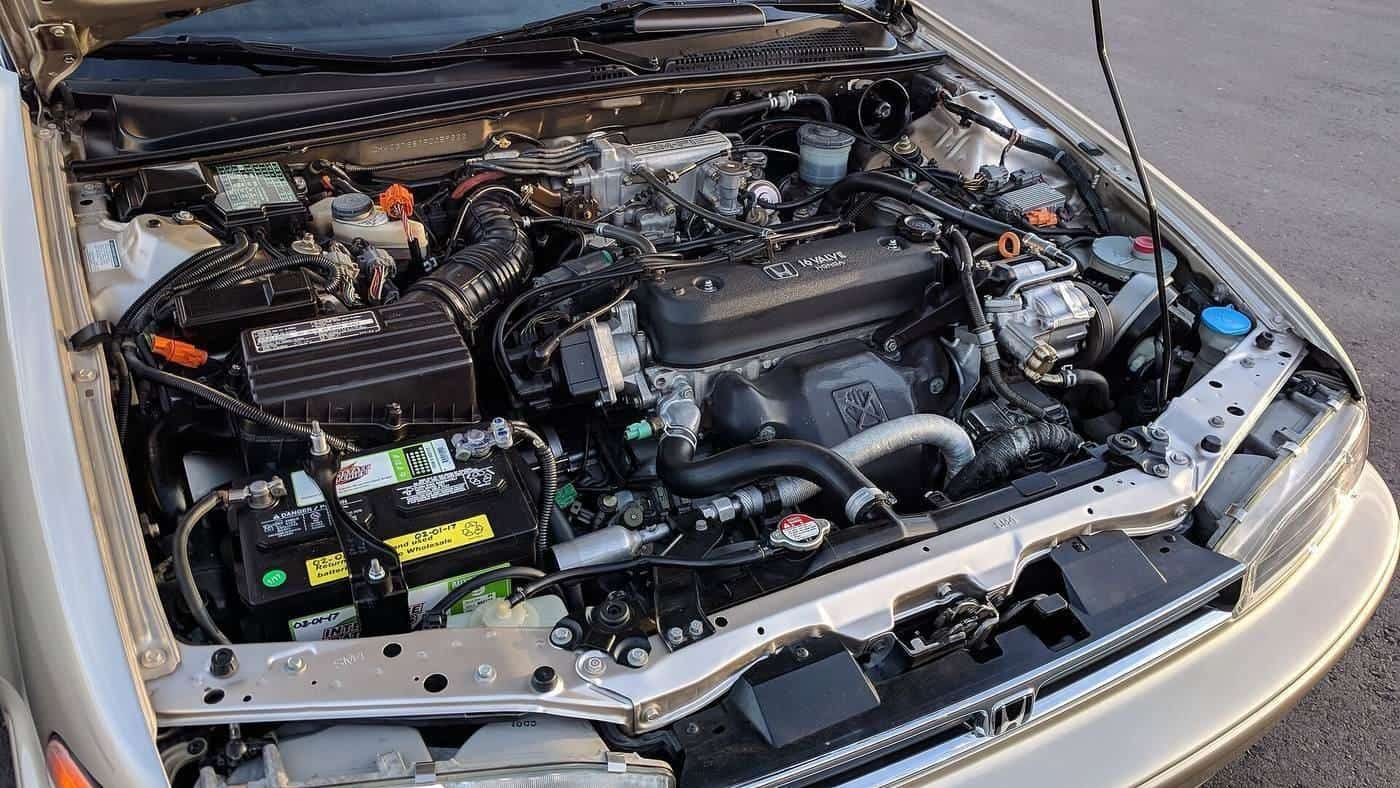
Finding parts
Identifying the right part
How to make sure a car part fits: using your VIN and compliance details, part numbers, build dates, variants and photos before you buy.
Read · 6 min

Finding parts
Used parts and wreckers
How to buy used car parts from wreckers and recyclers: what suits second-hand, checking condition, warranties, your rights and scams.
Read · 5 min
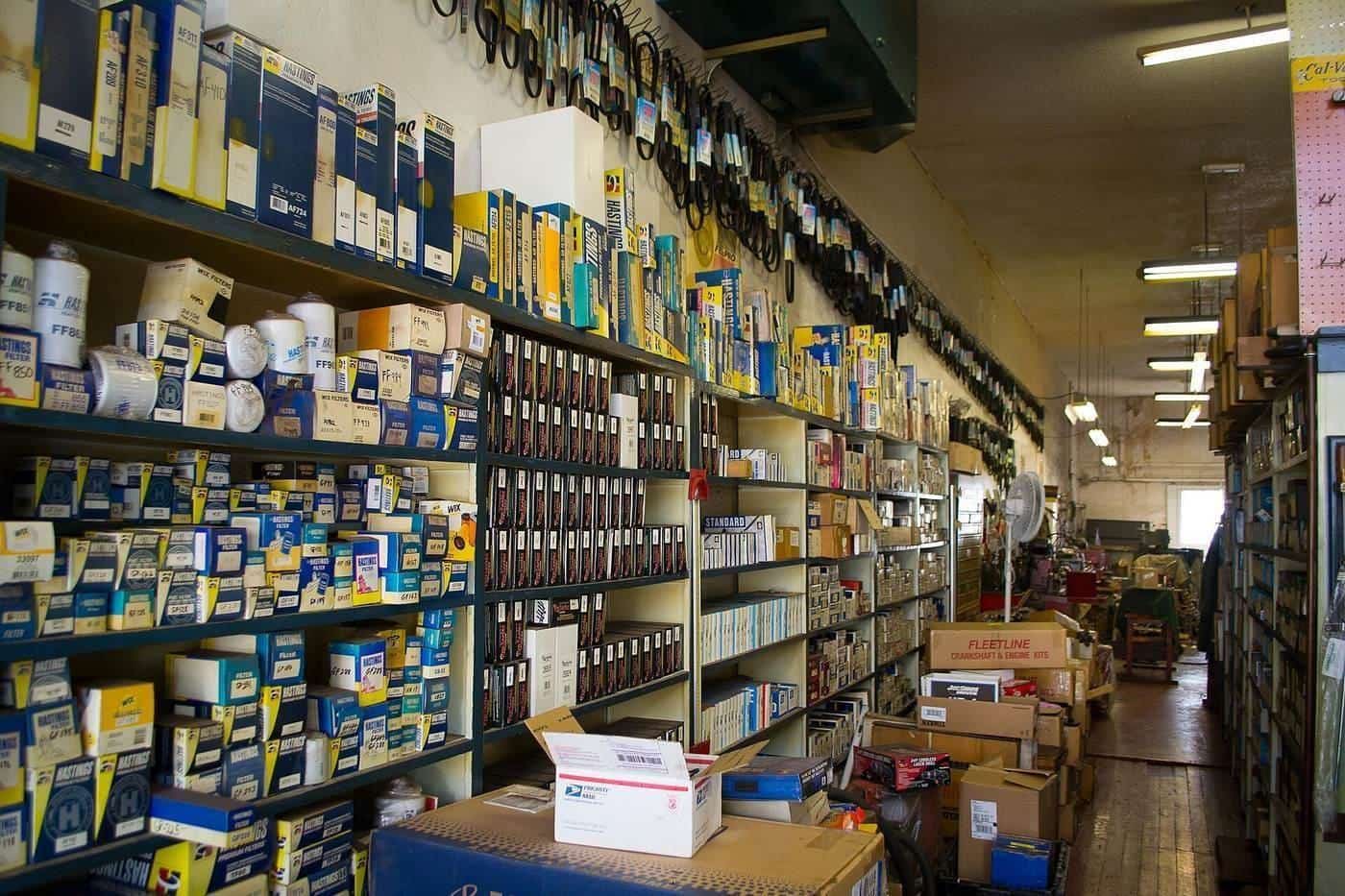
Finding parts
Genuine vs aftermarket parts
Genuine, aftermarket or used? How the options differ on fit, quality, price and warranty, and what the rules say about your new car warranty.
Read · 5 min

Finding parts
Buying parts online
How to buy car parts online safely in Australia: checking sellers and ABNs, marketplace risks, safer payments, freight, returns and scams.
Read · 5 min
Frequently asked questions
What information do I need to find a part?
Your make, model, variant, build date, VIN, engine and transmission details, and ideally the part number from the old part.
Should I buy genuine, aftermarket or used?
It depends on the part, your car and your budget. Genuine offers consistent fit, aftermarket quality varies, and used is often cheapest but variable.
How do I avoid parts scams?
Check the seller’s ABN and contact details, be wary of very low prices and avoid bank transfers to sellers you haven’t verified.
Do consumer guarantees apply to parts?
Yes, when you buy from a business, whether online or in store, and whether the part is new or used.
Sources and further reading
Facts on this page were checked against these primary and official sources. Conditions change — confirm before you travel or buy.
- Buying and selling scams — Scamwatch (ACCC)
- Fake auto parts scams revving up on Facebook — Government of Western Australia (Consumer Protection)
- Car servicing and repairs — Consumer Protection WA