Every year, vehicles and components are recalled because of safety defects. A recall means the manufacturer or supplier has found a problem that could cause harm and will fix it, usually for free. But recalls only work if owners respond, and parts from recalled vehicles can end up in the second-hand market. This guide explains how to check your car, what the compulsory Takata airbag recall involved and why care is needed when buying used safety parts.
27 Feb 2018
Takata compulsory recall issued
ACCC Product Safety
4 million+
Affected inflators in Australia
Over 3 million vehicle recalls
Free
Replacement
Contact your manufacturer
What a recall is
A vehicle recall happens when a manufacturer or supplier identifies a defect that could create a safety risk. The fix might be an inspection, a repair, a software update or a replacement part. Recalls can cover whole vehicles or particular components, such as airbags, seatbelts, brakes, fuel systems or tyres.
Manufacturers usually contact registered owners directly, but letters can go astray if you've moved, bought the car second-hand or the records are out of date. That's why it's worth checking for yourself.
How to check your car
- Vehicle Recalls website. The Australian Government's Vehicle Recalls site lets you find out if your vehicle or component has been recalled because of a safety risk.
- Your manufacturer. Many manufacturers have online recall checks using your VIN, or you can call their customer service line.
- Your dealer. A dealer for your make can check your VIN for outstanding recalls.
- Your mechanic. Some mechanics will check for recalls during servicing.
Have your VIN ready. Our guide to identifying the right part explains where to find it.
The compulsory Takata airbag recall
ACCC Product Safety describes the Takata airbag recall as the world's largest automotive recall, affecting an estimated 100 million vehicles globally. In Australia, the Assistant Minister to the Treasurer issued a compulsory recall on 27 February 2018 for all vehicles with defective Takata airbags, following an ACCC safety investigation.
According to ACCC Product Safety:
- it was the most significant compulsory recall in Australia's history, with over four million affected inflators and more than three million vehicle recalls;
- injuries and fatalities occurred in Australia and internationally, involving both driver and passenger airbags;
- suppliers had to account for 100% of affected vehicles by 31 December 2020, unless the ACCC agreed to an extension;
- after that date, suppliers have ongoing obligations to replace affected airbags, and owners who haven't had a replacement should still contact their manufacturer for a free replacement;
- most affected vehicles have been accounted for, but some are still in circulation.
Second-hand parts and Takata airbags
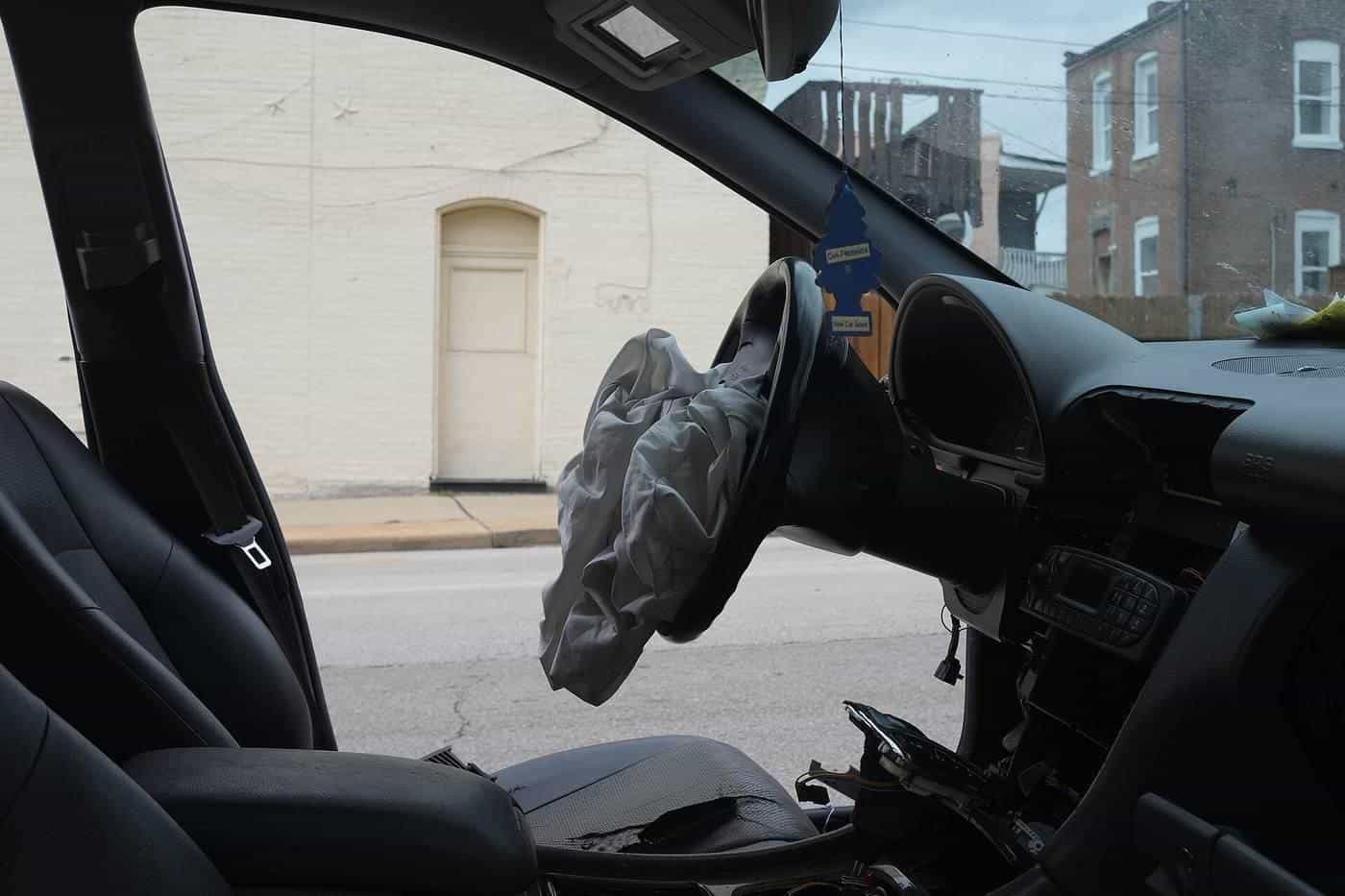
This is where recalls meet the parts market. ACCC Product Safety advises consumers to check with manufacturers when buying second-hand parts or cars with retrofitted parts, such as steering wheels, because these may contain a defective Takata airbag inflator that hasn't been replaced.
If you're buying a used steering wheel, airbag module, dashboard or similar part:
- ask the seller which vehicle it came from and get the source vehicle's details;
- check with the vehicle manufacturer whether that vehicle or part was subject to a recall and whether the work was completed;
- be cautious with parts whose origin can't be confirmed;
- have airbag components fitted by a qualified professional.
Airbags contain pyrotechnic devices and can cause serious injury if handled incorrectly. Don't attempt to remove, fit or dispose of them yourself unless you're qualified.
Buying a used car
Before buying a used car, check its VIN for outstanding recalls. Ask the seller for records of completed recall work. If there's an outstanding recall, contact the manufacturer to arrange the fix. For older vehicles, also look for signs that safety parts, such as the steering wheel, have been replaced, and ask where they came from.
What to do if your car is affected
- Stop and read the notice. Some recalls advise you not to drive the car until it's fixed.
- Contact the manufacturer or a dealer to book the repair.
- Ask about timing and alternatives if parts aren't available immediately.
- Keep records of the completed work.
Recall work is generally free. If you're asked to pay for a recall repair, check with the manufacturer.
Recalls and modified or repaired cars
If your car has been repaired with used parts, or has been modified, a recall check on the VIN may not reflect the parts actually fitted. For example, a replacement steering wheel from another vehicle may have a different recall history. If you know parts have been replaced, mention it when you check.
Reporting a safety problem
If you think a vehicle or part has a safety defect that isn't covered by a recall, report it to the manufacturer.
Recalls on components and accessories
Recalls don't only cover whole vehicles. Components and accessories, such as tyres, child restraints, towbars and aftermarket parts, can also be recalled. If you've fitted aftermarket parts, keep the brand and part details so you can check for recalls on them too. Registering your purchase with the manufacturer, where offered, can help them contact you.
Keeping your details up to date
Manufacturers usually contact owners using registration records. If you've moved or bought the car second-hand, those records may be out of date. Keep your address current with your state registration authority, and consider contacting the manufacturer to update your details as the new owner.
A recall checklist
- Find your VIN on your registration papers or vehicle.
- Check the Vehicle Recalls website and your manufacturer's recall tool.
- Book any outstanding recall work with a dealer.
- Keep records of completed recall work.
- Check again periodically, because new recalls are issued over time.
- Before buying a used car or second-hand safety parts, check their recall history.
Recalls and selling your car
If you're selling a car, check for outstanding recalls first and have any work completed. Buyers increasingly check recall status, and a car with completed recalls and records is easier to sell. Keep paperwork showing completed recall repairs with the car's service records, and pass them on to the new owner. If you're selling a car for parts, tell the buyer about any recall history you know of, particularly for airbag and other safety components.
Recalls on older vehicles
Recalls can apply to vehicles many years old, and some owners of older cars never received or acted on notices. If you own an older car, it's worth checking even if you've never heard of a recall for it. The Takata recall shows how long the effects of a recall can last, with ACCC Product Safety noting that some affected vehicles are still in circulation years after the compulsory recall began.
Key points
- Check your car on the Vehicle Recalls website or with the manufacturer using your VIN.
- The compulsory Takata airbag recall involved over four million inflators in Australia.
- Owners still with a defective Takata airbag should contact the manufacturer for a free replacement.
- Second-hand steering wheels and airbag parts may contain unreplaced defective inflators; check before buying.
- Leave airbag handling to qualified professionals.
Frequently asked questions
How do I check if my car has been recalled?
Use the Australian Government’s Vehicle Recalls website, which lets you find out if a vehicle or component has been recalled because of a safety risk. Your manufacturer or dealer can also check using your VIN.
Do I have to pay for recall repairs?
Recall repairs are generally done free of charge by the manufacturer. ACCC Product Safety says owners who haven’t had a defective Takata airbag replaced should contact their manufacturer for a free replacement.
What was the Takata airbag recall?
A compulsory recall issued on 27 February 2018 for vehicles with defective Takata airbags. ACCC Product Safety says it involved over four million inflators and more than three million vehicles in Australia.
Can I buy a second-hand airbag or steering wheel?
Take great care. ACCC Product Safety warns second-hand parts such as steering wheels may contain a defective Takata inflator that hasn’t been replaced, and advises checking with the manufacturer.
I’m buying a used car. Should I check for recalls?
Yes. Check the car’s VIN with the manufacturer or Vehicle Recalls website before you buy, and ask the seller for evidence of completed recall work.
Sources and further reading
Facts on this page were checked against these primary and official sources. Conditions change — confirm before you travel or buy.
- About the compulsory Takata airbag recall — ACCC Product Safety
- Vehicle Recalls — Australian Government (Vehicle Recalls)