Most car parts affect comfort, convenience or running costs when they fail. Some parts are different: if they fail, you could lose the ability to stop, steer or protect yourself in a crash. These safety-critical parts deserve extra care when you buy and fit them. This guide explains which parts fall into this group, what to look for and when to leave the work to a professional.
This guide is general information, not mechanical advice. If you're unsure about any safety-related work, have a qualified mechanic do it or check it.
Brakes
Top priority
Worn parts reduce braking (WA DoT)
New
Often best for wear items
Pads, shoes, hoses
Mechanic
If unsure
Safety work needs skill
Which parts are safety-critical?
Parts generally treated as safety-critical include:
- Brakes: pads, shoes, discs, drums, calipers, hoses, lines, master cylinders and fluid.
- Steering: racks, tie rod ends, ball joints and steering columns.
- Suspension: springs, shock absorbers, control arms and bushes.
- Tyres and wheels: see our tyres and wheels guide.
- Seatbelts and airbags: see our airbags and recalls guide.
- Lights: headlights, brake lights and indicators.
The WA Department of Transport's regular vehicle check fact sheet covers many of these, including brakes, steering, suspension components, seatbelts and lights.
Brakes
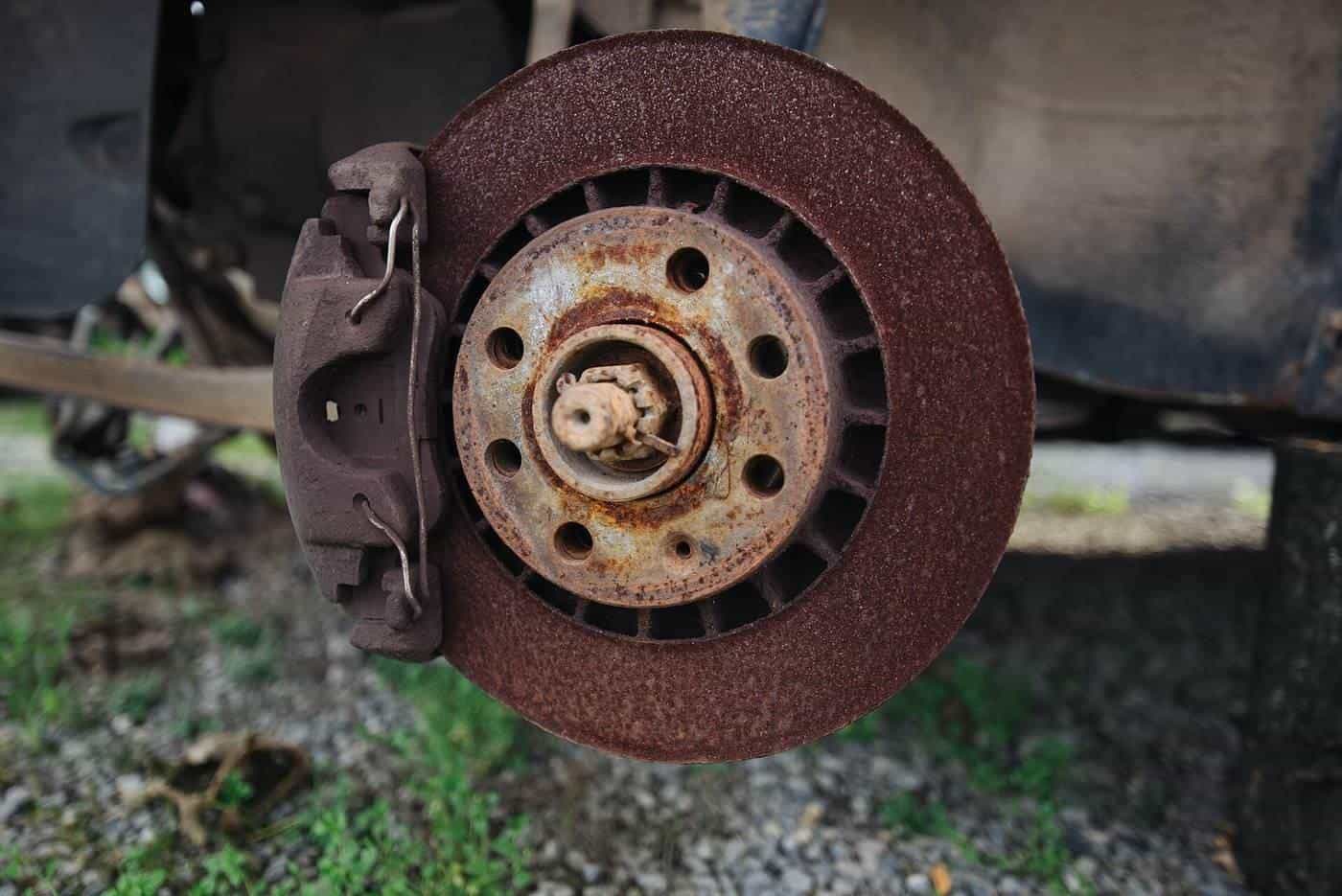
The WA Department of Transport notes that worn brake pads and shoes reduce braking effectiveness and cause uneven braking, and that brake discs or drums that are too thin won't withstand the heat generated by heavy braking. It also says the park brake should be able to hold the car stationary on a slope.
When buying brake parts:
- buy pads and shoes new, from reputable makers, matched to your vehicle and brake package;
- check whether your car has standard or upgraded brakes, which use different parts;
- replace pads in axle sets so both sides brake evenly;
- check disc thickness against the minimum marked on the disc or in the manual;
- use the brake fluid specified for your car.
Signs your brakes need attention include squealing or grinding, a soft or sinking pedal, pulling to one side, vibration under braking and warning lights. Have them checked promptly.
Steering and suspension
Worn steering and suspension parts affect handling, braking and tyre wear. Warning signs include knocking noises, wandering, excessive play in the steering, uneven tyre wear and a bouncy ride. The WA Department of Transport's checklist includes checking steering for wear, missing split pins and security, and checking steering free play.
Used steering and suspension parts can carry hidden damage from crashes or wear. If buying used, inspect carefully and have a mechanic check before fitting. After replacing steering or suspension parts, a wheel alignment is often needed.
Seatbelts and airbags
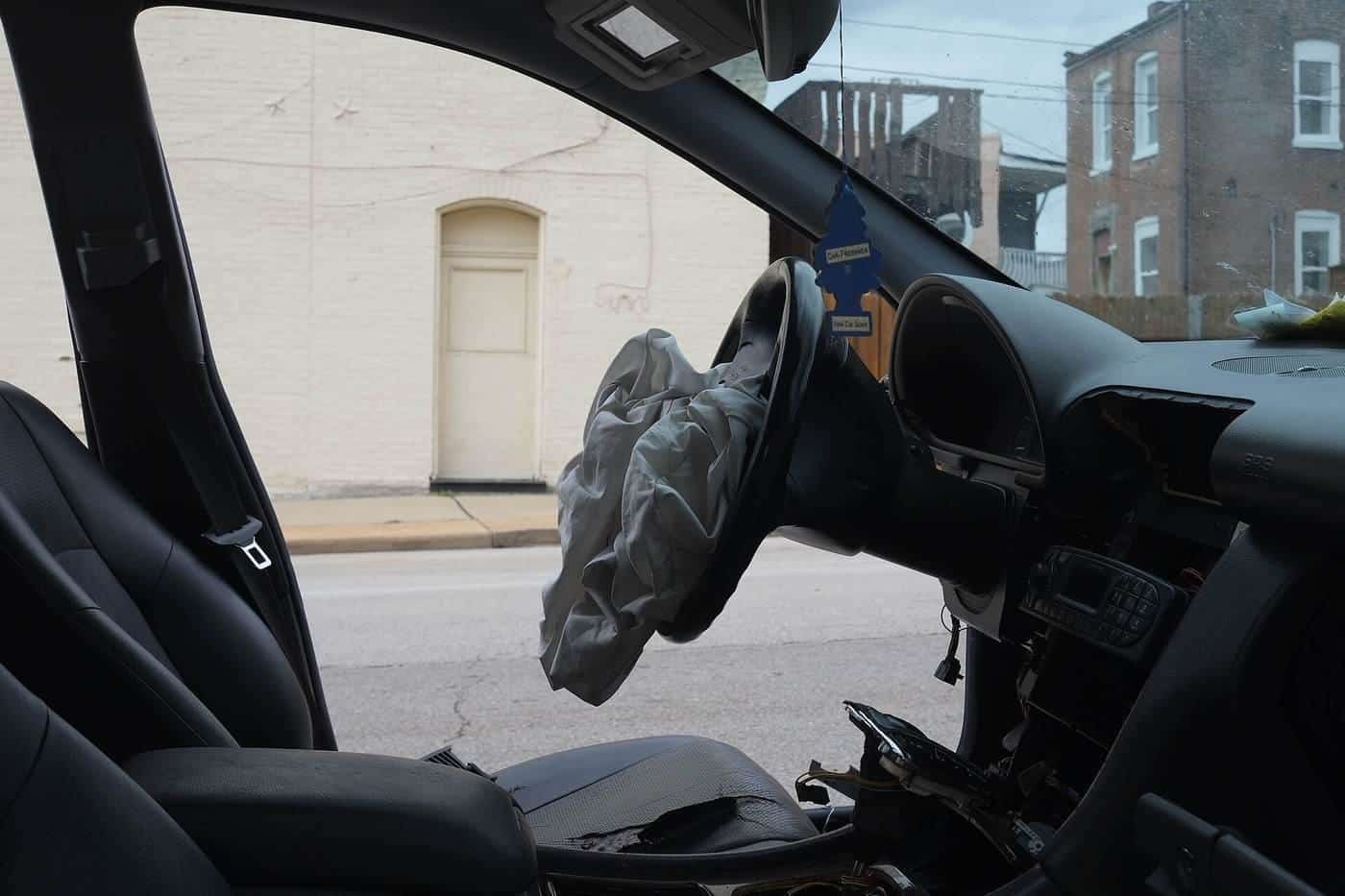
Seatbelts can be weakened by crash loads or damage that isn't visible. Airbags contain pyrotechnic devices and must be handled by qualified people. ACCC Product Safety warns that second-hand parts such as steering wheels may contain a defective Takata airbag inflator that hasn't been replaced, and advises checking with the manufacturer.
Lights
Lights help you see and be seen. Replace blown bulbs promptly, check lenses for cracks or fading and make sure replacement lights suit your vehicle. The WA Department of Transport's checklist includes checking all lights for cracked, faded or damaged lenses.
Buying safety-critical parts
- Buy from reputable sellers. Counterfeit brake and suspension parts are a real risk when prices look too good.
- Match parts exactly. Use your VIN and part numbers; see identifying the right part.
- Prefer new for wear items. Pads, shoes, hoses and bushes are relatively cheap new.
- Check used parts carefully. Look for damage, wear and history, and get a mechanic's opinion.
- Keep receipts and records. They help with warranty claims and when selling the car.
DIY or mechanic?
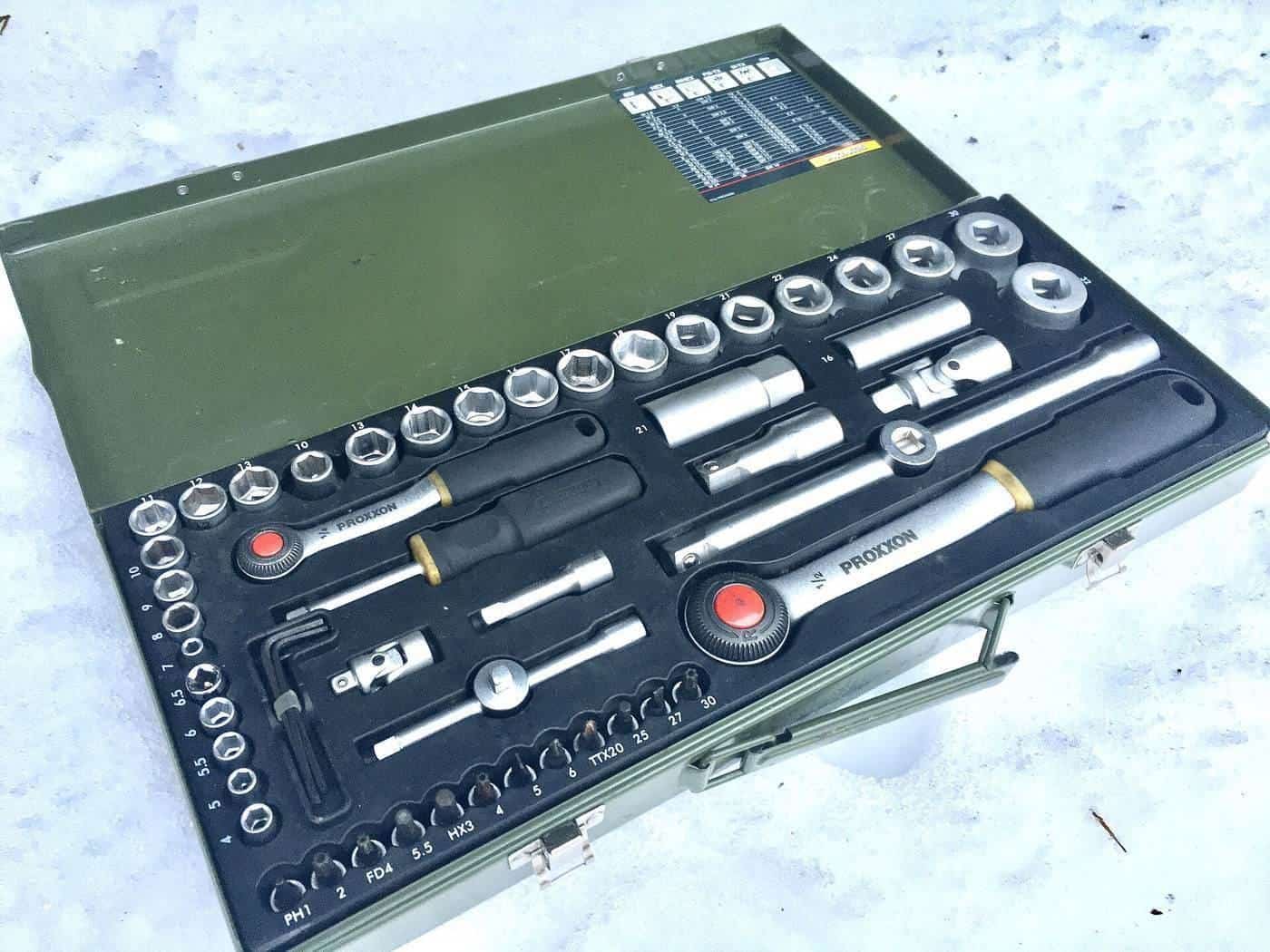
Some experienced home mechanics replace brake pads and similar parts. But safety-critical work requires the right tools, knowledge and torque settings, and mistakes can be dangerous. If you're not confident, or the job involves hydraulics, airbags or steering, use a qualified mechanic. Consumer Protection WA suggests getting more than one quote and making sure quotes outline the work to be done and the cost. Our guide to DIY or mechanic helps you decide.
After the work
After any brake work, test the brakes carefully at low speed before driving normally. Bed in new pads as the maker recommends. After steering or suspension work, check for unusual noises, pulling or vibration, and get a wheel alignment if needed.
Roadworthiness
Worn safety-critical parts can make a vehicle unroadworthy. Rules on vehicle standards and inspections vary between states and territories. Check your state transport authority's requirements, especially before selling or registering a vehicle.
Brake fluid
Brake fluid is easy to overlook but vital. It transfers the force from the pedal to the brakes. Use only the type specified for your car, keep the reservoir at the right level, and follow the manufacturer's recommended replacement schedule. A dropping fluid level can indicate worn pads or a leak, so have it checked.
Upgrades and modifications
Performance brakes, lowered suspension and other modifications can change how a car behaves and may affect roadworthiness, registration and insurance. Check the rules in your state or territory before modifying safety-critical systems, use quality parts from reputable makers and have the work done by qualified people. Tell your insurer about modifications.
Pre-trip checks
Before a long drive, check tyre pressures and condition, brake operation, lights and fluid levels. The WA Department of Transport's vehicle check fact sheet is a useful list, covering items such as brakes, steering, lights, seatbelts and tyres. If anything seems wrong, have it checked before you leave.
Keeping records of safety work
Keep invoices showing what safety-critical parts were fitted, by whom and when. These records help with warranty claims, show buyers the car has been maintained and remind you when parts are due for inspection.
Signs of steering and suspension wear
Listen and feel for clunks over bumps, a steering wheel that isn't straight when driving straight, a car that wanders or pulls, excessive body roll, nose-diving under braking and uneven tyre wear. These can point to worn bushes, ball joints, tie rod ends or shock absorbers. Have them inspected promptly, because worn parts can deteriorate quickly and affect braking and handling.
Seatbelt checks
Check your seatbelts regularly. Pull each belt fully out and look for fraying, cuts or stiffness, check that it retracts smoothly and that the buckle latches and releases properly. The WA Department of Transport's checklist includes checking the operation and condition of seatbelts, including webbing and retractors. Replace damaged belts with suitable parts fitted by a qualified person.
Key points
- Brakes, steering, suspension, tyres, wheels, seatbelts, airbags and lights are safety-critical.
- Worn pads and thin discs reduce braking effectiveness, according to the WA Department of Transport.
- Prefer new parts from reputable makers for wear items, and match parts exactly.
- Have used safety parts checked, and beware second-hand airbag components.
- If you're unsure, have a qualified mechanic do or check the work.
Frequently asked questions
Which car parts are safety-critical?
Brakes, steering, suspension, tyres and wheels, seatbelts, airbags and lighting are generally treated as safety-critical, because failure can cause a crash or injury.
Should I buy used brake parts?
Brake pads and many brake parts are relatively cheap new, so many people prefer new parts from reputable makers. Discs that are too thin can’t handle the heat of heavy braking.
Can I replace brake pads myself?
Some experienced home mechanics do, but mistakes can be dangerous. If you’re not confident and properly equipped, have a qualified mechanic do it.
What are signs of brake problems?
Squealing or grinding, a soft or sinking pedal, pulling to one side, vibration when braking or a brake warning light. Have the car checked promptly.
What does the WA Department of Transport say about brakes?
Its vehicle check fact sheet notes worn pads and shoes reduce braking effectiveness and cause uneven braking, and discs or drums that are too thin won’t withstand heavy braking heat.
Sources and further reading
Facts on this page were checked against these primary and official sources. Conditions change — confirm before you travel or buy.
- Are you regularly checking your vehicle? (fact sheet) — Department of Transport WA
- About the compulsory Takata airbag recall — ACCC Product Safety
- Car servicing and repairs — Consumer Protection WA