Most car parts affect comfort or running costs when they fail. Some affect whether you can stop, steer or survive a crash. And when any part fails early or a repair goes wrong, the Australian Consumer Law may help. This section covers the parts that matter most for safety and the rights you have when things go wrong.
The guides in this section
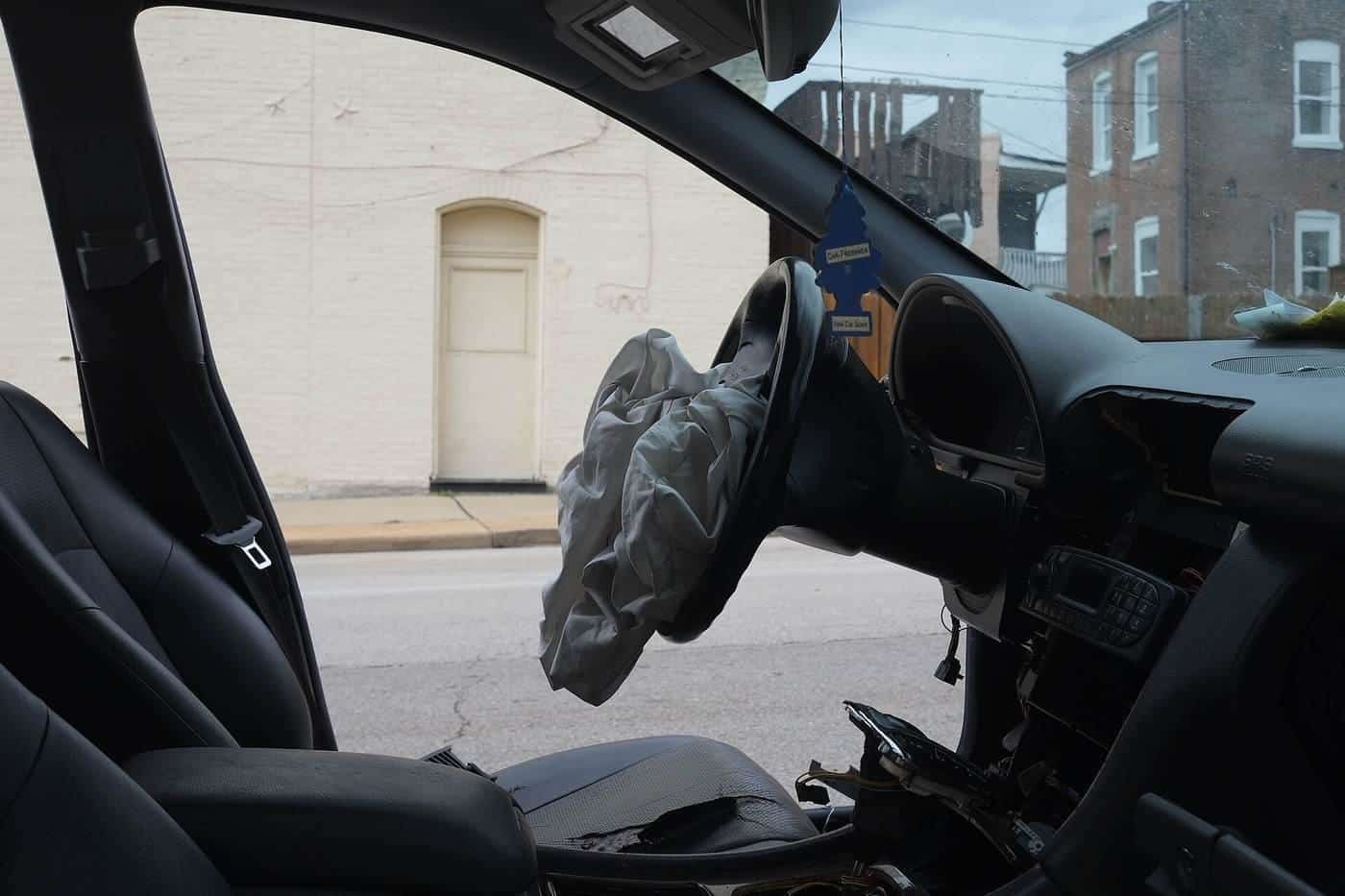
- Airbags and recalls: how recalls work, checking your car, the compulsory Takata airbag recall and why second-hand airbag parts need care.
- Tyres and wheels: reading the placard, tread depth, tyre age and buying new or used tyres and wheels.
- Brakes and safety-critical parts: brakes, steering, suspension, seatbelts and lights, and when to use a mechanic.
- Your rights when a part fails: consumer guarantees for parts and repairs, remedies and how to ask for a fix.
Recalls: check your car
Recalls fix safety defects, usually for free, but only if owners respond. The Australian Government's Vehicle Recalls website lets you find out if your vehicle or component has been recalled because of a safety risk. Your manufacturer or dealer can also check using your VIN.
The compulsory Takata airbag recall shows why this matters. ACCC Product Safety says it was the most significant compulsory recall in Australia's history, with over four million affected inflators and more than three million vehicle recalls. Owners who still haven't had a defective Takata airbag replaced should contact their manufacturer for a free replacement, and buyers of second-hand steering wheels and airbag parts should check with the manufacturer first.
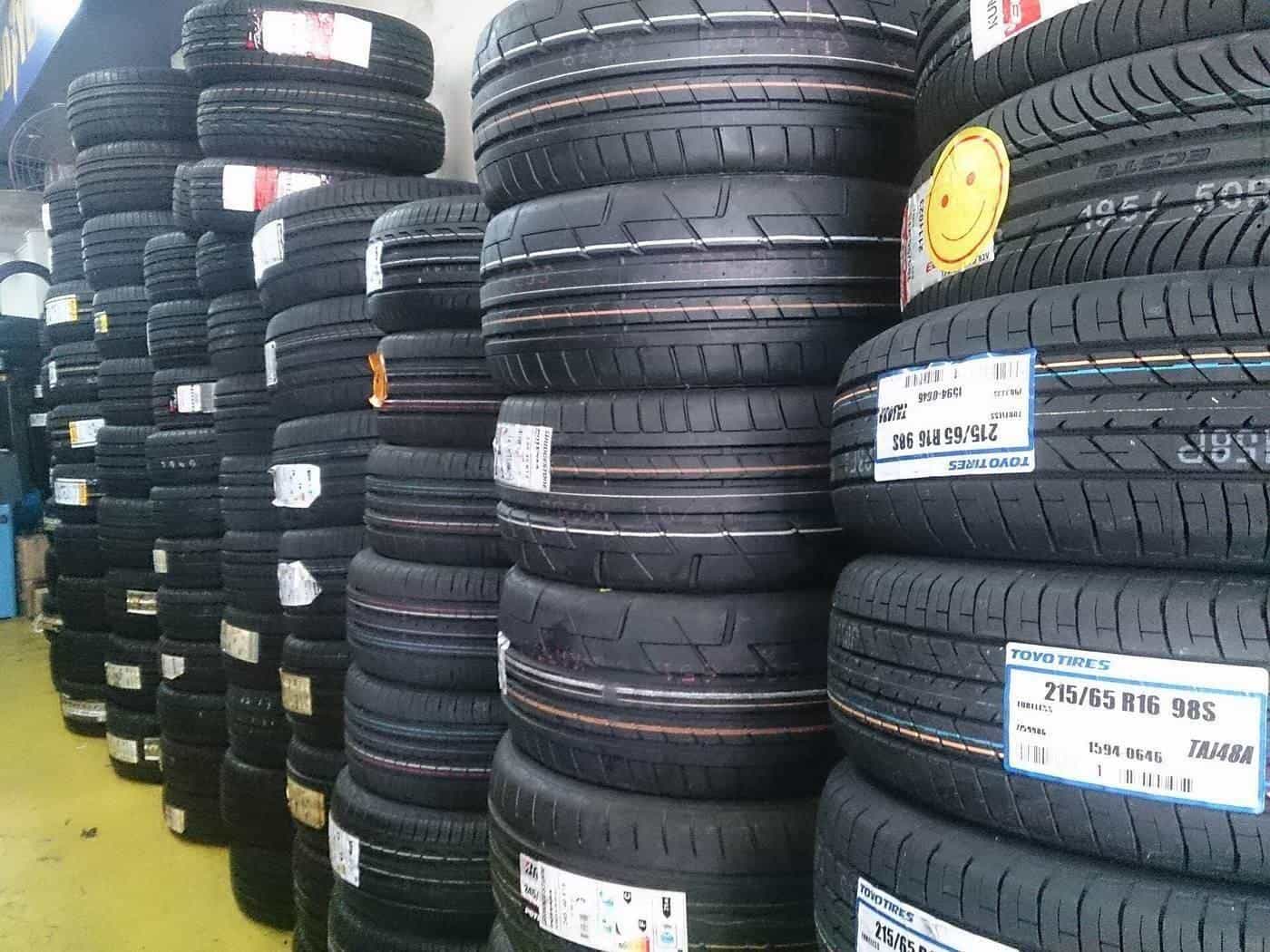
Tyres: your contact with the road
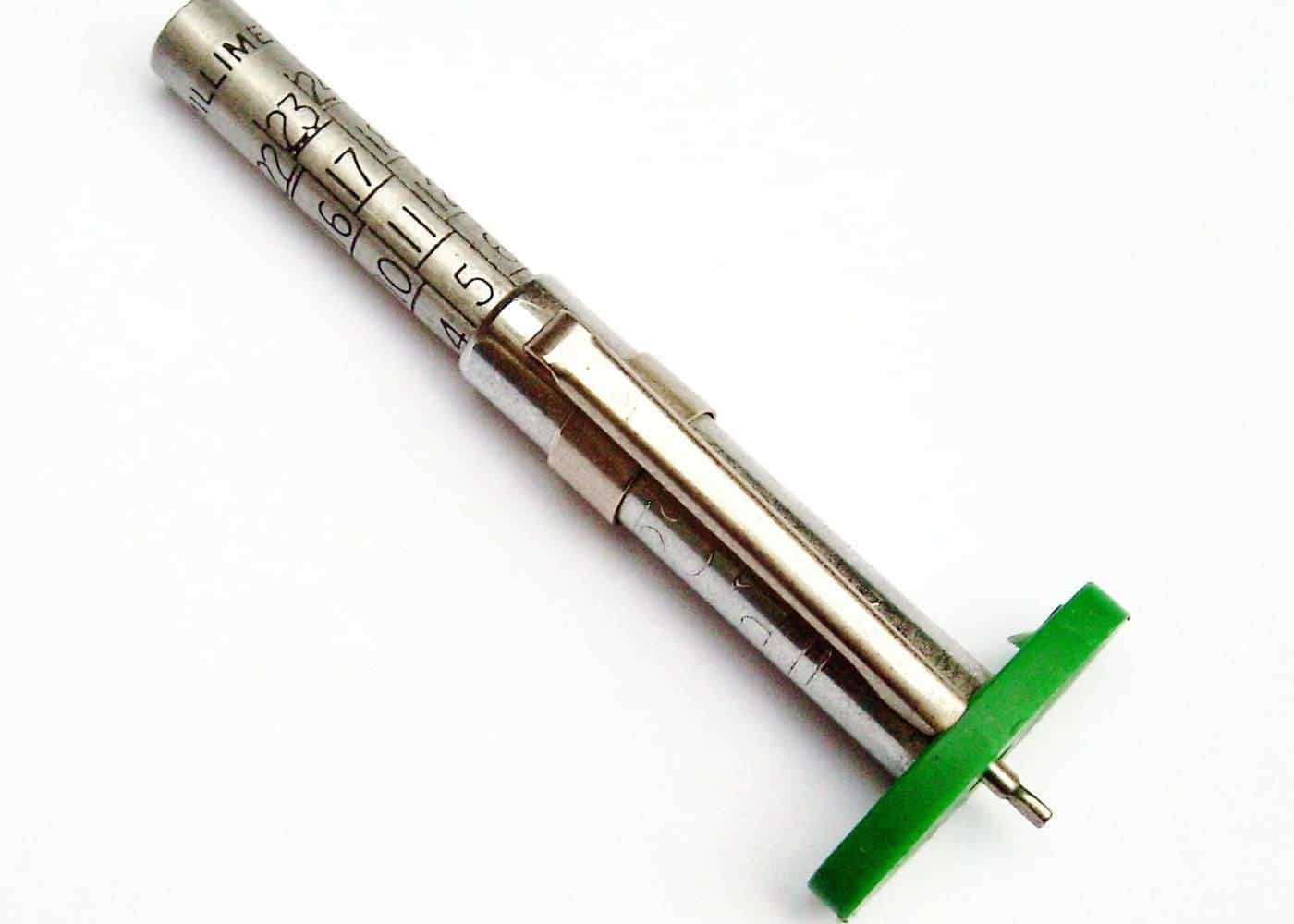
The WA Department of Transport says all tyres must have at least 1.5 mm tread depth in all principal grooves, and that tyres must have the appropriate speed and load rating for the vehicle and not be mismatched. Check your tyre placard, measure tread regularly, check tyre age with the date code and inspect used tyres carefully.
Brakes and other critical parts
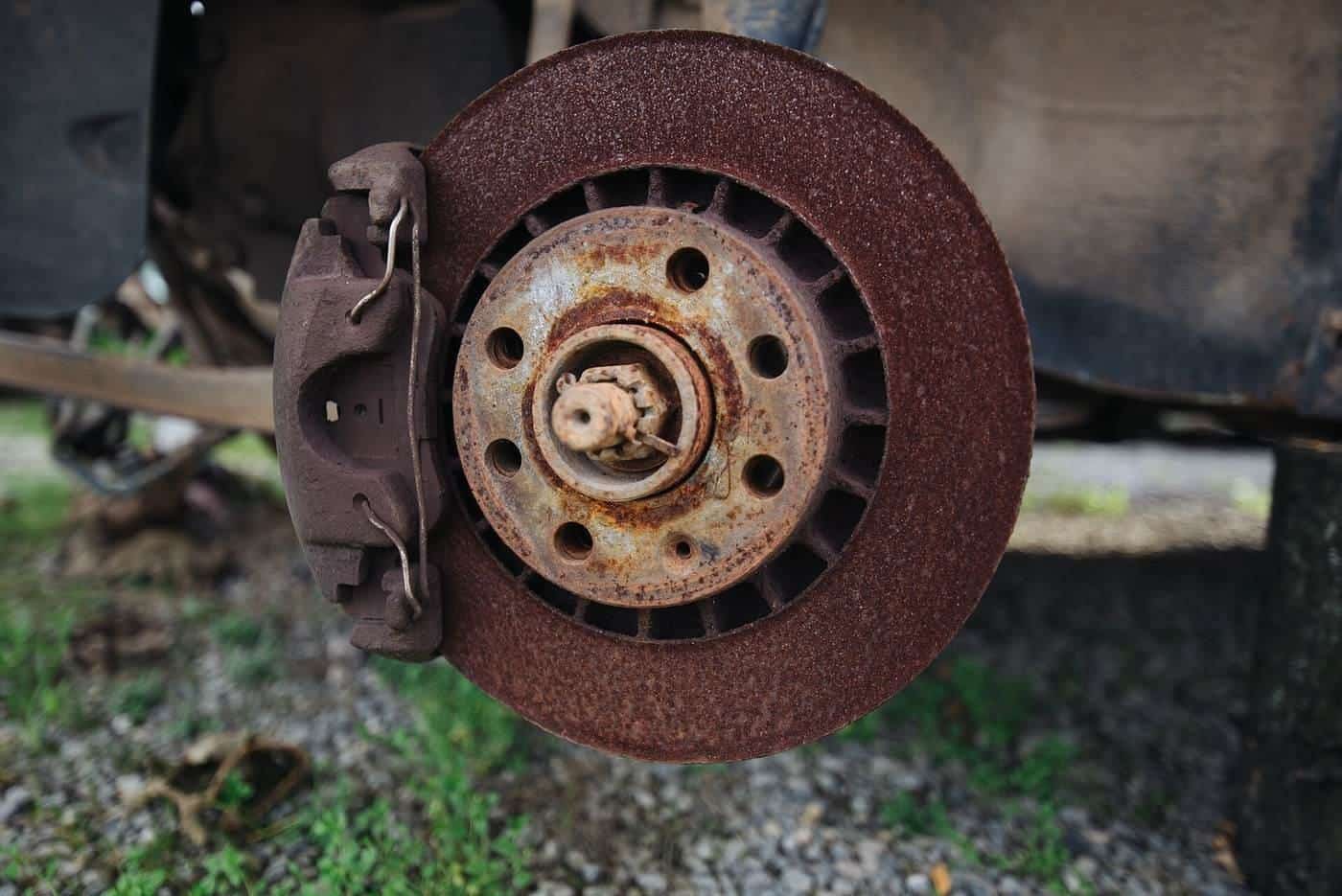
The WA Department of Transport notes that worn brake pads and shoes reduce braking effectiveness and cause uneven braking, and that discs or drums that are too thin won't withstand the heat of heavy braking. For brakes, steering, suspension and seatbelts, buy quality parts from reputable sellers, match them exactly and have a qualified mechanic do or check the work if you're unsure.
Your rights
When you buy goods or services from a business, consumer guarantees apply automatically. Consumer Protection WA explains that products must be of acceptable quality, fit for a specified purpose and match their description, and that services must be performed with due care and skill. If a guarantee isn't met, you may be entitled to a repair, replacement, refund, cancellation or compensation, depending on whether the fault is minor or major.
Consumer guarantees can't be removed by a "no refunds" sign, and they're separate from any warranty.
A safety checklist
- Check your VIN for recalls, and check again from time to time.
- Measure tyre tread and check pressures and tyre age.
- Watch for brake warning signs such as noise, a soft pedal or pulling.
- Check seatbelts for fraying and smooth retraction.
- Replace blown bulbs promptly.
- Buy safety-critical parts from reputable sellers and have them fitted properly.
- Keep receipts and records of safety work.
When to stop driving
If a recall notice tells you not to drive the car, or you notice serious problems such as brake failure warning signs, a damaged tyre or steering faults, stop driving and get the car checked. It's not worth the risk.
Buying a used car
Many safety questions come up when buying a used car. Check the VIN for outstanding recalls, ask for records of completed recall work and servicing, inspect tyres for tread and age, and have a mechanic inspect brakes, steering and suspension before you buy. If safety parts such as the steering wheel have been replaced, ask where they came from.
Modifications and safety
Modifying brakes, suspension, wheels, tyres or lights can change how your car behaves and may affect roadworthiness, registration and insurance. Check the rules in your state or territory before making changes, use quality parts and have the work done by qualified people. Tell your insurer about modifications, and keep records of what was fitted and by whom.
Keeping safety records
Keep a simple file for your car with recall notices and completed recall work, tyre purchase invoices, brake and suspension work, and service records. It helps you track when parts are due for inspection, supports warranty and consumer guarantee claims, and reassures buyers when you sell. A folder in the glovebox or a note on your phone is enough.
Reporting problems
If you find a dangerous fault in a part you've bought, stop using it, tell the seller and the manufacturer, and keep the part and your receipts.
Where to go next
Need to find a part? The finding parts section covers identifying the right part and buying safely. To decide whether to fit it yourself, see the repairs section.
About these guides
Our safety and rights guides are general information, not legal or mechanical advice. They're based on published government and consumer sources, which we link on each page. For specific disputes, contact your state or territory consumer protection agency.
Guides in this section
Safety and rights
Airbags and recalls
How vehicle recalls work in Australia, how to check your car, the compulsory Takata airbag recall and why second-hand parts need care.
Read · 5 min
Safety and rights
Tyres and wheels
How to choose tyres and wheels: the tyre placard, speed and load ratings, the 1.5 mm tread minimum, tyre age, used tyres and recycling.
Read · 5 min
Safety and rights
Brakes and safety-critical parts
Which car parts are safety-critical, what to know about brakes, steering, suspension and seatbelts, and when to leave the job to a mechanic.
Read · 5 min
Safety and rights
Your rights when a part fails
Consumer guarantees for car parts and repairs: acceptable quality, fitness for purpose, due care and skill, and how to ask for a remedy.
Read · 5 min
Frequently asked questions
How do I check for recalls?
Use the Australian Government’s Vehicle Recalls website or your manufacturer’s recall check with your VIN.
What is the legal minimum tyre tread?
The WA Department of Transport says all tyres must have at least 1.5 mm tread depth in all principal grooves.
Which parts are safety-critical?
Brakes, steering, suspension, tyres and wheels, seatbelts, airbags and lights.
What if a part fails early?
When you bought from a business, consumer guarantees may entitle you to a repair, replacement, refund or compensation, depending on the fault.
Sources and further reading
Facts on this page were checked against these primary and official sources. Conditions change — confirm before you travel or buy.
- About the compulsory Takata airbag recall — ACCC Product Safety
- Are you regularly checking your vehicle? (fact sheet) — Department of Transport WA
- Consumer guarantees — Consumer Protection WA