Tyres do an enormous amount of work. They carry the weight of your car, transmit acceleration and braking forces and keep you on the road in wet weather. Choosing the right tyres and wheels, and keeping them in good condition, is one of the most important safety decisions you make. This guide explains placards, ratings, tread, age and buying used.
1.5 mm
Minimum tread
In all principal grooves (WA Department of Transport)
Placard
Your guide
Size, load, speed and pressure
Matched
Tyres
Don't mismatch ratings
Reading the tyre placard
Your car has a tyre placard, usually on the driver's door frame, inside the glovebox or fuel flap. It shows the manufacturer's recommended tyre sizes, load ratings, speed ratings and inflation pressures. The WA Department of Transport advises checking your vehicle's tyre placard, as tyres must have the appropriate speed and load rating for the vehicle and not be mismatched.
Keep the placard details handy when buying tyres or wheels, and check pressures against it regularly, when tyres are cold.
Understanding tyre markings
The sidewall of a tyre carries a code that describes it. A typical code includes:
- width in millimetres;
- aspect ratio, the sidewall height as a percentage of width;
- construction, usually R for radial;
- rim diameter in inches;
- load index, a number indicating the maximum load;
- speed symbol, a letter indicating the maximum speed rating.
The sidewall also shows a date code indicating when the tyre was made. Learn to read it so you can check the age of new and used tyres.
Tread depth
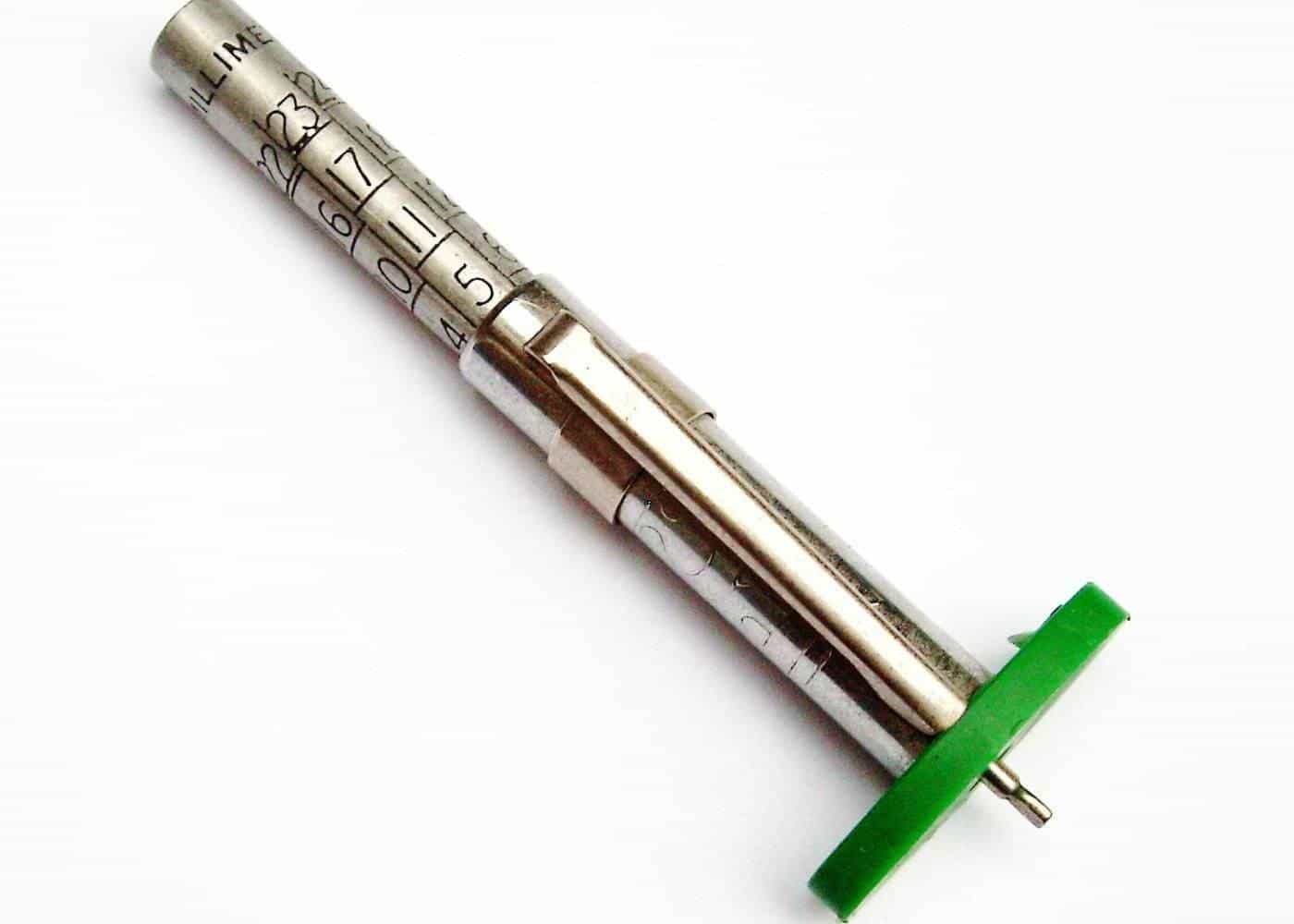
The WA Department of Transport says all tyres must have at least 1.5 mm tread depth in all principal grooves. Many drivers replace tyres before they reach the legal minimum, because grip in wet conditions falls as tread wears.
To check tread:
- use a tread depth gauge in the main grooves around the tyre;
- look for the tread wear indicators, small raised bars in the grooves that become flush with the tread as it wears;
- check across the width, because uneven wear can leave one edge worn while the centre looks fine.
Uneven wear can point to problems with alignment, suspension or inflation, so ask a mechanic to check.
Tyre age
Rubber ages even when a tyre isn't used. Older tyres can harden and crack, which affects grip and strength. Check the date code on any tyre, including spares and used tyres. Tyre makers and fitters can advise on when to replace tyres based on age and condition.
Buying new tyres
When buying new tyres:
- match the placard's size, load and speed ratings, or get advice before changing;
- replace tyres in pairs on the same axle where possible, so they wear and grip evenly;
- consider your driving: city, highway, towing or off-road;
- ask about wheel alignment and balancing when fitting;
- compare total fitted prices, including balancing, valves and disposal of old tyres.
Buying used tyres
Used tyres can be a budget option, but check them carefully:
- measure tread depth in several places;
- check the date code;
- look for cuts, bulges, cracks and exposed cords;
- check for repairs, and whether they were done properly;
- check the inside sidewall, not just the outside;
- confirm size and ratings match your placard.
If in doubt, ask a tyre professional to inspect them before fitting. Remember that consumer guarantees apply when you buy from a business. Consumer Protection WA explains that goods must be of acceptable quality and match their description.
Wheels
When buying wheels, new or used, check:
- the correct diameter, width, offset and stud pattern for your car;
- the centre bore and whether spacer rings are needed;
- load rating suitable for your vehicle;
- damage such as cracks, bends or heavy kerb rash;
- that wheel nuts or bolts suit the new wheels.
Non-standard wheel and tyre combinations may need to meet rules in your state or territory. Check with your state transport authority before making significant changes.
The spare tyre
Don't forget the spare. Check its pressure, age and condition regularly. If your car has a space-saver spare, follow the speed and distance limits marked on it.
Tyre pressure and safety
Correct pressure affects grip, braking, fuel use and tyre life. Check pressures regularly, when tyres are cold, using the placard figures. Under-inflated tyres can overheat and fail. Over-inflated tyres reduce grip.
Recycling old tyres
Old tyres shouldn't be dumped. Most tyre retailers will arrange disposal when you buy new tyres, often for a fee. Ask how your old tyres will be recycled.
Signs your tyres need attention
Between tread checks, watch for:
- bulges or blisters on the sidewall;
- cuts, cracks or embedded objects;
- vibration at speed, which can indicate balance problems or damage;
- pulling to one side, which can point to pressure or alignment issues;
- frequent loss of pressure, which can mean a slow leak.
If you notice any of these, have the tyre inspected by a professional before driving further than necessary.
Puncture repairs
Not every puncture can be repaired. Location, size and damage to the tyre's structure all matter. Have punctures assessed by a tyre professional rather than relying on temporary sealants as a long-term fix. Temporary repair kits can get you to a tyre shop, but follow the instructions and speed limits on the kit.
Tyres for towing and loads
If you tow a trailer or caravan or regularly carry heavy loads, check that your tyres' load ratings suit the job and that pressures are set as the manufacturer recommends for loaded driving. Your vehicle placard and owner's manual give guidance. Under-inflated, overloaded tyres can overheat and fail.
A tyre-buying checklist
- Note the placard size, load and speed ratings.
- Decide on new or used, and set a budget for the full fitted price.
- Check date codes and condition.
- Ask about balancing, alignment, valves and disposal.
- Keep the invoice for warranty claims.
Wheel alignment and balancing
Alignment sets the angles of your wheels so they point the right way and wear evenly. Balancing evens out weight around the wheel and tyre so they spin smoothly. Have alignment checked after suspension or steering work, after hitting a kerb hard or if you notice uneven wear or pulling. Have wheels balanced when fitting new tyres.
Storing tyres
If you store spare tyres or a second set of wheels, keep them in a cool, dry place out of direct sunlight and away from chemicals and heat sources. Check stored tyres for cracking and age before refitting them. Tyres that have been stored for a long time may look fine but still be too old to use safely.
Tyres on four-wheel drives
Four-wheel drives often run larger or different tyres to suit off-road driving. Changing tyre size can affect speedometer accuracy, handling, braking and compliance. Check your state's rules and get advice from a tyre specialist before changing from the placard size. Off-road driving can also damage tyres in ways that aren't obvious, so inspect them after trips.
Key points
- Use the tyre placard for size, load, speed and pressure, and don't mismatch tyres.
- All tyres must have at least 1.5 mm tread in the principal grooves.
- Check tyre age with the date code, including spares and used tyres.
- Inspect used tyres and wheels carefully, or have a professional check them.
- Check state rules before fitting non-standard wheel and tyre combinations.
Frequently asked questions
What is the minimum legal tread depth?
The WA Department of Transport says all tyres must have at least 1.5 mm tread depth in all principal grooves of the tyre.
What is a tyre placard?
A label on your car, often on the door frame or glovebox, showing the manufacturer’s recommended tyre size, load and speed ratings and pressures.
Can I fit different tyres from the placard?
Tyres must have the appropriate speed and load rating for the vehicle and not be mismatched, according to the WA Department of Transport. Check rules before fitting non-standard sizes.
Are used tyres safe?
Some are, but check tread depth, age, damage and repairs carefully. Have them inspected by a tyre professional if you’re unsure.
How do I check tread depth?
Use a tread depth gauge in the principal grooves, or check the tread wear indicators moulded into the grooves.
Sources and further reading
Facts on this page were checked against these primary and official sources. Conditions change — confirm before you travel or buy.
- Are you regularly checking your vehicle? (fact sheet) — Department of Transport WA
- Consumer guarantees — Consumer Protection WA