Wreckers and parts recyclers dismantle vehicles and sell the usable parts. For many repairs, a used part in good condition does the job at a fraction of the cost of new, and it gives a working component a second life. But used parts vary widely in condition, and some parts carry safety risks that aren't obvious. This guide explains how to buy used parts with confidence.
Check
Condition and fit
Before you pay
Takata
Airbag warning
Second-hand parts may contain defective inflators
Bank transfer
Scam red flag
Consumer Protection WA
What used parts suit best
Used parts are often a good fit for:
- Body panels and trim, such as doors, bonnets, bumpers and interior pieces, especially in the right colour.
- Lights and mirrors, which can be expensive new.
- Wheels, as long as they're undamaged and the right specification.
- Many mechanical and electrical parts, such as alternators, starter motors, window motors and some engine components.
- Hard-to-find parts for older or less common vehicles.
They can be less suitable for wear items that are cheap new, such as brake pads, filters and belts, and for safety-critical components where history is unknown.
Parts that need extra care
Some parts deserve particular caution:
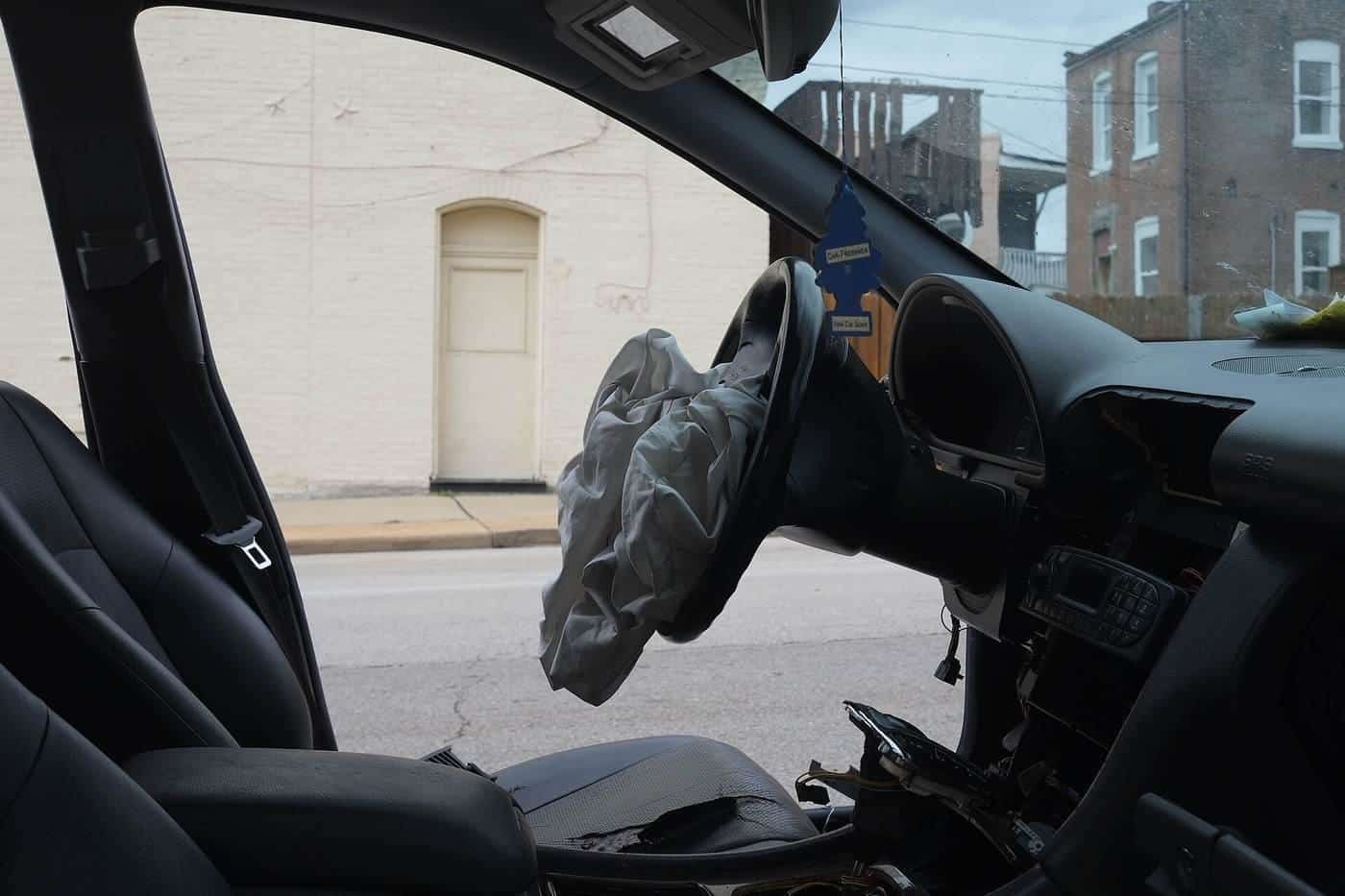
- Airbags and steering wheels. ACCC Product Safety advises consumers to check with manufacturers when buying second-hand parts or cars with retrofitted parts such as steering wheels, because they may contain a defective Takata airbag inflator that hasn't been replaced. See our airbags and recalls guide.
- Seatbelts. Damage or previous crash loads may not be visible.
- Brakes and steering. Wear and hidden damage affect safety. Our guide to brakes and safety-critical parts explains more.
- Tyres. Age, damage and tread depth all matter. See tyres and wheels.
If you're unsure, ask a qualified mechanic before fitting a used safety-critical part.
Checking condition
When you inspect a used part, look for:
- cracks, corrosion, bends or damage;
- missing clips, mounting points or connectors;
- signs of leaks on mechanical parts;
- excessive wear on moving parts;
- matching part numbers and connectors.
Ask the seller what vehicle the part came from, its approximate kilometres if known, and whether it has been tested. Some recyclers test parts before sale and record the source vehicle's details.
Warranties and returns
Many established recyclers offer a warranty or return period on used parts, though terms vary. Ask before you buy:
- how long the warranty lasts;
- whether it covers the part only or also labour to refit it;
- whether you need a receipt or must have the part fitted by a mechanic;
- what happens if the part doesn't fit.
Get the terms in writing. Our quote comparer lets you weigh price against warranty length.
Your rights when buying from a business
When you buy goods from a business, consumer guarantees apply. Consumer Protection WA explains that sellers must provide a remedy if products don't meet guarantees including acceptable quality, fitness for a specified purpose and matching their description. If you tell the seller what you need the part for and they say it will do the job, that purpose matters. Consumer guarantees can't be removed by a "no refunds" sign.
Private sales, such as buying from an individual through an online marketplace, are treated differently, so check carefully before paying. Our guide to your rights when a part fails explains more.
Avoiding wrecker scams
Consumer Protection WA has warned that scammers impersonate genuine auto wreckers and car and motorbike parts businesses on online marketplaces. It says they typically offer parts, tyres and second-hand engines at too-good-to-be-true prices and ask for full payment plus shipping by bank transfer. In one case it described, a buyer lost $700. In another, a wrecker reported its business name being used to sell second-hand engines for around $3,000 that would normally retail for over $10,000.
To protect yourself:
- be wary of prices far below what others charge;
- check that the business is real, using its official website and contact details;
- check page history on social media; Consumer Protection WA notes that recently created pages and frequent name changes are warning signs;
- don't pay by bank transfer to sellers you haven't verified;
- inspect the part in person where possible.
Pulling parts yourself
Some yards let customers remove parts themselves. If you do, follow the yard's safety rules, bring suitable tools and wear protective gear such as gloves, sturdy shoes and eye protection. Never work under a vehicle that isn't properly supported. Leave airbag and other pyrotechnic components to professionals.
Finding a reputable recycler
A good recycler makes the process easier. Signs of a business worth dealing with include a physical address you can visit, a landline or clear contact details, a real ABN you can check, written warranty terms and staff who ask for your vehicle details and part numbers. Reviews can help, but read them carefully and look for patterns rather than relying on a few ratings. Local mechanics often know which recyclers are reliable.
Questions to ask before buying
- What vehicle did the part come from, and roughly how many kilometres had it done?
- Has the part been tested, and how?
- Is it complete, including brackets, sensors and connectors?
- What warranty applies, and what does it cover?
- Can I return it if it doesn't fit?
- Can you hold it while I confirm with my mechanic?
Write down the answers or get them by email or message.
Freight and collection
Used parts can be bulky, and freight can add significantly to the cost. Compare the cost of delivery with collecting in person, which also lets you inspect the part. If the part will be freighted, ask how it will be packed and who's responsible if it arrives damaged. Inspect it as soon as it arrives and contact the seller promptly about any problems.
Used parts and the environment
Buying used keeps working components in service and reduces the demand for new manufacturing. A door, mirror or alternator that still works has already had its materials and energy invested. Choosing a quality used part where it suits the job is one of the simplest ways to make car repairs more sustainable, alongside recycling the parts and fluids you remove.
When new is the better choice
Used isn't always the best value. Choose new when the used option is close to the new price, when the part is a wear item with a limited life, when the history of a safety-critical part is unknown, or when a new part comes with a much longer warranty. Our quote comparer helps you see the real difference once freight, fitting and warranty are counted.
Selling parts from your own car
If you're breaking a car for parts yourself, describe each part honestly, including its condition and the vehicle it came from. Remember that safety-critical parts, particularly airbags and steering wheels, carry special risks, and buyers should check recall history with the manufacturer.
Key points
- Used parts suit panels, lights, mirrors, wheels and many mechanical parts.
- Take extra care with airbags, seatbelts, brakes, steering and tyres.
- Inspect condition, match part numbers and get warranty terms in writing.
- Consumer guarantees apply when you buy from a business.
- Watch for wrecker scams: low prices, bank transfers and new social media pages.
Frequently asked questions
Are used car parts worth buying?
Often, yes, especially for body panels, trim, mirrors, lights and many mechanical parts. Check condition, compatibility and any warranty before you buy.
Which used parts need extra care?
Safety-critical parts such as airbags, seatbelts, brakes and steering components. ACCC Product Safety warns that second-hand steering wheels may contain a defective Takata airbag inflator.
Do I have consumer rights when buying used parts?
When you buy from a business, consumer guarantees such as acceptable quality and matching the description generally apply. Private sales are treated differently.
How do I avoid wrecker scams?
Be wary of too-good-to-be-true prices and requests for bank transfer. Consumer Protection WA has warned about scammers impersonating genuine auto wreckers on Facebook Marketplace.
Can I pull parts myself?
Some yards let customers remove their own parts. Follow the yard’s safety rules and wear suitable protective gear.
Sources and further reading
Facts on this page were checked against these primary and official sources. Conditions change — confirm before you travel or buy.
- Consumer guarantees — Consumer Protection WA
- About the compulsory Takata airbag recall — ACCC Product Safety
- Fake auto parts scams revving up on Facebook — Government of Western Australia (Consumer Protection)
- Buying and selling scams — Scamwatch (ACCC)