Every repair produces something to throw away: an old battery, drained oil, worn brake pads, a dead alternator or a set of bald tyres. Some of this waste is hazardous, and dumping it harms soil, waterways and wildlife. Much of it is also valuable when recycled. This guide explains how to dispose of common car waste responsibly, drawing on Planet Ark's Recycling Near You service.
Hazardous
Lead-acid batteries
Lead, lead compounds and sulfuric acid
Not in bins
Motor oil
Recycling Near You
Recyclable
Most car waste
With the right drop-off
Car batteries
Recycling Near You explains that used lead-acid batteries, such as car batteries, contain lead, lead compounds and sulfuric acid and are classified as hazardous waste under the Hazardous Waste Act 1989. They shouldn't be disposed of with regular garbage, because their toxic contents may leach from landfills into the environment.
The good news is that they're valuable. Recycling Near You says lead-acid batteries can be recovered and recycled into new products, requiring significantly less energy than refining primary ore.
Where to take them
According to Recycling Near You:
- almost all scrap metal merchants accept used lead-acid batteries, and some may pay a small amount for large quantities;
- collection services are available at most landfills, transfer stations and automotive workshops;
- its directory helps you find a recycler near you.
Many battery retailers will also take your old battery when you buy a new one. Ask when you buy.
Handling batteries safely
- Wear gloves and eye protection.
- Keep batteries upright to avoid acid spills.
- Don't let terminals touch metal objects, which can cause sparks.
- Transport batteries securely so they can't tip over.
- If a battery is cracked or leaking, take extra care and get advice from the recycler.
Motor oil
Recycling Near You says used motor oil shouldn't go in your recycling or garbage bin. Its directory lists drop-off locations, such as council waste transfer stations and community recycling centres, along with businesses that collect used oil. Never pour oil down drains, onto the ground or into stormwater.
Collecting and storing used oil
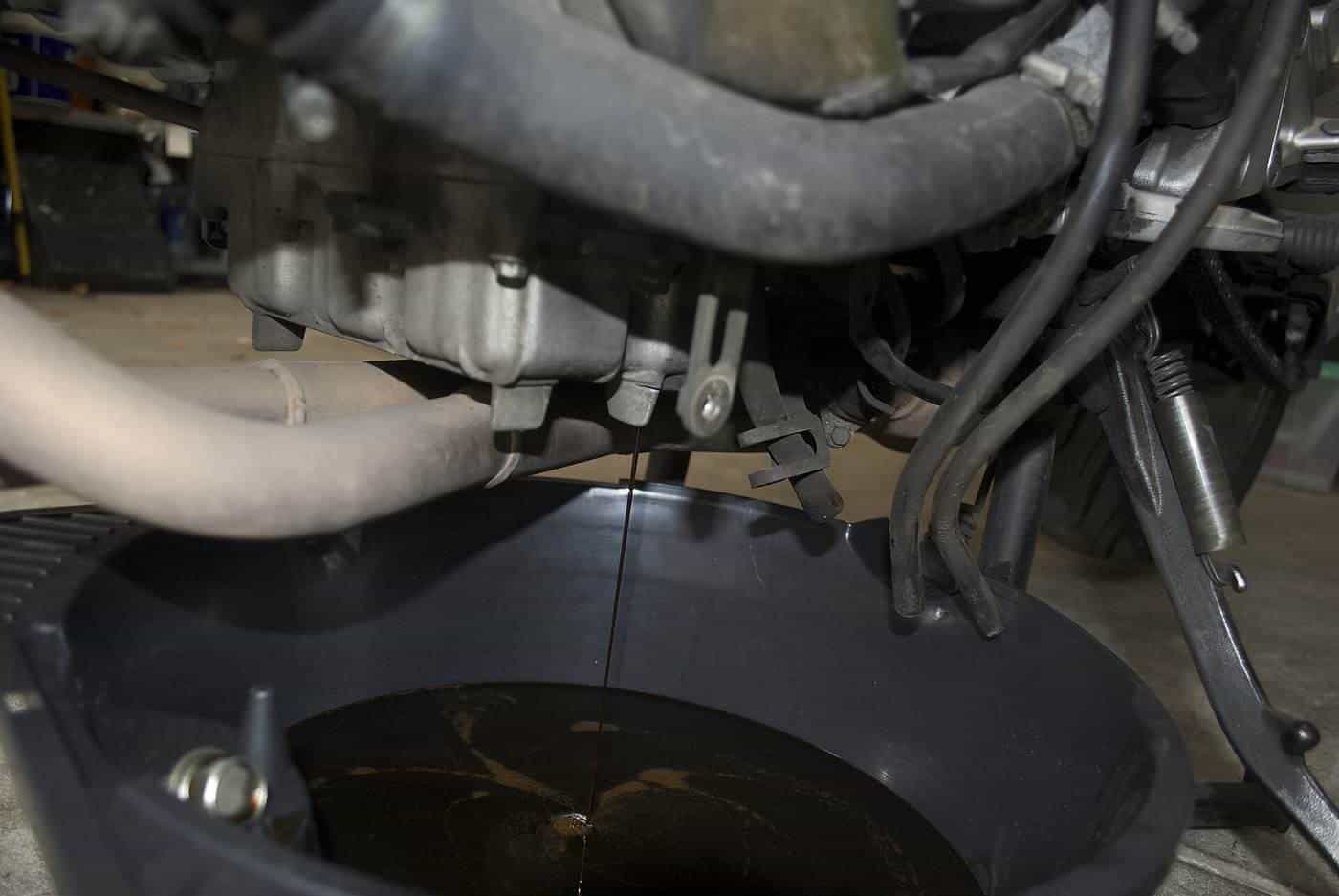
- Drain oil into a clean drain pan.
- Pour it into a sealable, clearly labelled container. Don't mix it with other fluids, such as coolant or brake fluid, unless the drop-off point says that's fine.
- Keep containers sealed and away from children and pets.
- Take it to a drop-off point that accepts motor oil. Check quantity limits before you go.
Used oil filters can also contain oil. Drain them and ask your drop-off point whether they accept filters.
Other fluids
Coolant, brake fluid, transmission fluid and fuel are also hazardous. Don't pour them down drains. Many council community recycling centres accept a range of household chemicals and fluids. Check with your council or the Recycling Near You directory for what's accepted locally.
Tyres
Old tyres shouldn't be dumped. When you buy new tyres, the retailer usually arranges disposal of the old ones, often for a fee. Ask how they'll be recycled. Our guide to tyres and wheels has more on choosing tyres.
Metal parts
Many old parts, such as brake discs, exhaust parts, alternators and starter motors, are mostly metal and can go to scrap metal recyclers. Some parts, such as alternators and starter motors, may be accepted as "cores" by parts sellers, who refurbish them. If a seller charges a refundable core deposit, returning the old part gets you money back. Our quote comparer lets you include a refundable core in your costs.
Airbags and pyrotechnic parts
Airbag modules and seatbelt pretensioners contain pyrotechnic devices. Don't put them in household rubbish or try to dispose of them yourself. Ask a qualified mechanic or the vehicle manufacturer how to handle them safely.
Whole vehicles
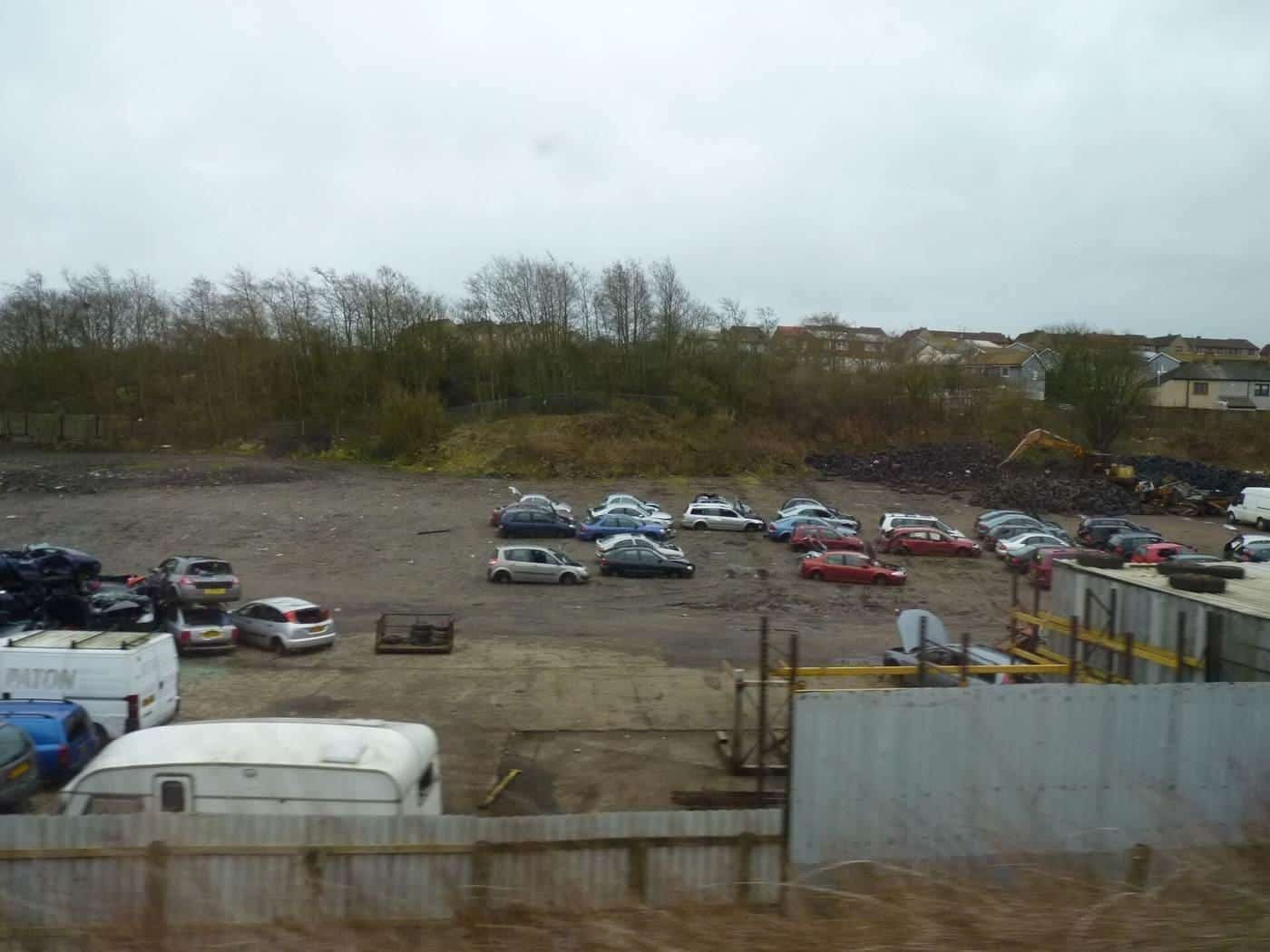
If your car has reached the end of its life, recyclers and wreckers can dismantle it, sell usable parts and recycle the metal. Our guide to used parts and wreckers covers dealing with wreckers. Rules on selling vehicles for scrap and cancelling registration vary by state, so check with your state transport authority.
Why it matters
Proper disposal protects soil, waterways and wildlife, and recycling recovers valuable materials. A little effort at the end of a repair keeps hazardous waste out of landfill and drains.
Brake pads, filters and other consumables
Worn brake pads, oil filters, air filters and similar consumables make up much of the waste from routine maintenance. Brake pads and discs are largely metal and may be accepted by scrap metal recyclers. Oil filters should be drained of oil first. Paper air filters and cabin filters usually go in general waste, but check your council's guidance. If your mechanic does the work, they'll normally dispose of these items as part of the job.
Glass, plastics and interior parts
Windscreens, lights, bumpers and interior trim are made from a mix of materials, and recycling options vary. Some recyclers and wreckers accept them. If they're still in good condition, consider selling or donating them, because a working part is more valuable reused than recycled.
Community recycling centres and drop-off days
Many councils run community recycling centres or periodic drop-off days for household chemicals and problem waste, which can include car batteries, motor oil and other fluids. Check your council's website for locations, opening hours and accepted items before you go. Recycling Near You's directory can also point you to local options.
Transporting waste safely
When taking car waste to a drop-off point:
- keep oil and fluids in sealed, labelled containers;
- secure batteries upright so they can't tip;
- keep waste separate from food and passengers where possible;
- wear gloves when loading and unloading;
- check quantity limits before you go.
Spills
If you spill oil or other fluids, contain it with absorbent material such as kitty litter or sawdust, sweep it up and dispose of it as advised by your council. Don't hose spills into drains, because stormwater drains often lead straight to waterways.
Reducing waste
Regular maintenance can make parts last longer, and choosing quality used or remanufactured parts reuses materials. Returning cores to parts sellers keeps units in the remanufacturing cycle.
Selling or donating usable parts
Before recycling a part, ask whether someone else could use it. Working parts removed during upgrades, such as wheels, lights or seats, can often be sold or given away. Online marketplaces, owners' clubs and recyclers may be interested. Describe the part honestly, including its condition and the vehicle it came from. Reusing a working part is usually better for the environment than recycling its materials.
Ask your mechanic
If a mechanic does the work, ask how they dispose of old batteries, oil, filters and parts. Reputable workshops use licensed waste collectors and recyclers, and it's a reasonable question to ask when choosing a workshop.
Key points
- Car batteries are hazardous waste and shouldn't go in household rubbish.
- Scrap metal merchants, landfills, transfer stations and workshops commonly accept old batteries.
- Never put motor oil in bins or drains; take it to a drop-off point.
- Tyre retailers usually arrange disposal of old tyres, and metal parts can go to scrap recyclers.
- Leave airbag and pyrotechnic parts to professionals.
Frequently asked questions
Can I put a car battery in the bin?
No. Recycling Near You says used lead-acid batteries contain lead, lead compounds and sulfuric acid, are classified as hazardous waste and shouldn’t be disposed of with regular garbage.
Where can I recycle a car battery?
Recycling Near You says almost all scrap metal merchants accept used lead-acid batteries, and collection services are available at most landfills, transfer stations and automotive workshops.
What do I do with used motor oil?
Don’t put it in your recycling or garbage bin. Use the Recycling Near You directory to find a local drop-off point, such as a council facility.
Can I pour oil down the drain?
No. Used oil pollutes waterways and soil. Collect it in a sealed container and take it to a drop-off point.
What about old tyres and parts?
Tyre retailers usually arrange disposal of old tyres. Scrap metal recyclers accept many metal parts. Check your council for other items.
Sources and further reading
Facts on this page were checked against these primary and official sources. Conditions change — confirm before you travel or buy.
- Recycling lead-acid batteries — Recycling Near You (Planet Ark)
- Recycling motor oil — Recycling Near You (Planet Ark)